A reliable heating and cooling system plays a major role in keeping your home comfortable throughout every season. Small warning signs are often easy to overlook, but they can quickly grow into larger and more expensive problems when ignored. Staying proactive with HVAC maintenance helps improve efficiency, protect indoor comfort, and extend the life of your equipment.
Many homeowners first notice trouble through unusual sounds, uneven temperatures, poor airflow, or rising utility bills. Recognizing these issues early allows problems to be corrected before they lead to breakdowns or costly emergency repairs. The following signs can help you determine when it may be time to schedule professional service.
Listening for Warning Noises
One of the earliest signs that your system needs attention is the presence of unusual noise during operation. Banging, clanking, rattling, grinding, or scraping sounds often point to components that are loose, worn belts, damaged bearings, or debris caught inside the unit. These sounds should never be dismissed as normal wear. When moving parts begin rubbing against one another, or hardware loosens over time, the strain on the system can increase rapidly. In many cases, these noises begin subtly before becoming much louder, making early attention especially important for preventing more severe mechanical damage. Ignoring these sounds for too long can eventually lead to system shutdowns or more expensive component replacements.
Whistling and hissing noises may indicate air leaks in the ductwork or refrigerant line issues. Leaky ducts reduce efficiency by allowing conditioned air to escape before it reaches living spaces, forcing the system to work harder. Refrigerant-related sounds can be even more serious, as low refrigerant levels may affect cooling performance and damage major components such as the compressor. Homeowners may also notice reduced cooling output or longer run cycles alongside these sounds, which further suggests the need for professional inspection. In some cases, these noises may also be accompanied by uneven airflow from room to room.
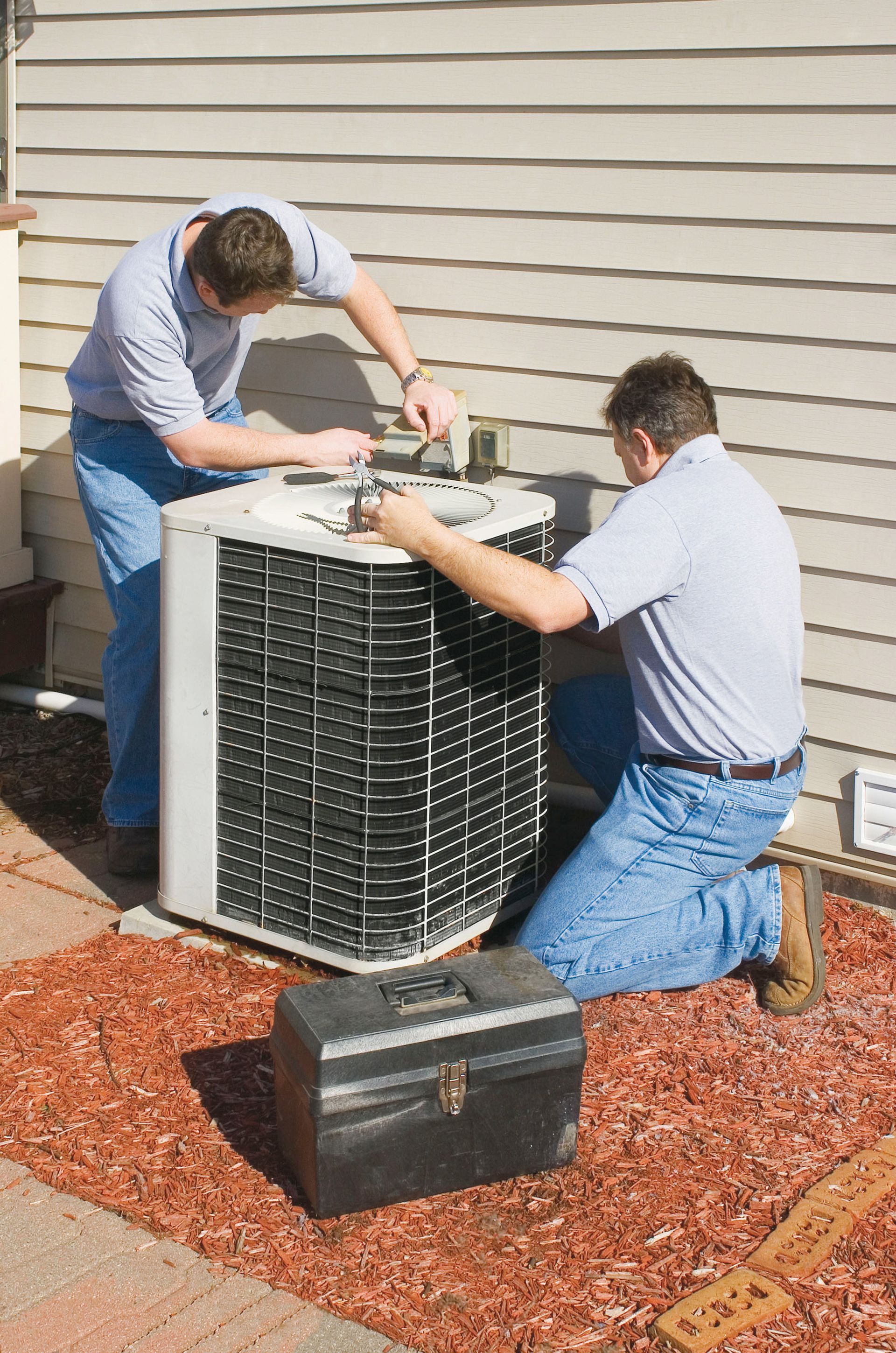
Scheduling service at the first sign of these noises helps prevent further mechanical damage. During HVAC maintenance, technicians can tighten loose parts, lubricate moving components, clear debris, and inspect refrigerant lines and duct connections to restore quieter, more efficient operation. Prompt service also helps protect long-term system reliability and may prevent unexpected breakdowns during peak seasonal demand.
Monitoring Temperature Changes
If some rooms feel too warm while others remain too cool, your system may be struggling to distribute air evenly. Inconsistent temperatures are one of the most common signs of an underlying issue. Problems may stem from blocked vents, dirty filters, leaking ducts, thermostat malfunctions, or equipment that is improperly sized for the home. These issues can make certain areas of the home consistently uncomfortable, especially upper floors, finished basements, or rooms farther from the main unit. Seasonal weather changes can often make these temperature inconsistencies even more noticeable.
Fluctuating temperatures can also signal that the thermostat is not reading indoor conditions correctly. A faulty thermostat may cause short cycling, extended run times, or delayed system responses. In homes with zoning systems, malfunctioning dampers or zone controls may prevent certain areas from receiving proper airflow. In some cases, recalibration or upgrading to a newer programmable thermostat can significantly improve temperature consistency.
Beyond the HVAC equipment itself, insulation and air sealing also influence indoor comfort. Poor insulation around windows, doors, attic spaces, or crawl spaces can allow conditioned air to escape, making temperature imbalances worse. Identifying whether the issue is mechanical, airflow-related, or insulation-based is essential for restoring comfort throughout the home.
Watching Energy Costs Rise
A sudden increase in utility bills often serves as a clear indicator that the system is losing efficiency. When components become dirty, worn, or damaged, the equipment must work harder and run longer to maintain the desired temperature. This added strain leads directly to higher monthly energy costs. Even small efficiency losses can add up quickly over the course of a season. Over several months, these increases can become a significant household expense.
According to SBE, air conditioning systems consume 6% of all the electricity produced in the U.S. Because cooling systems already account for a significant share of household energy use, even minor inefficiencies can noticeably affect your bill. Dirty coils, clogged filters, low refrigerant, failing motors, or restricted airflow can all contribute to increased energy consumption. Comparing your current utility statements to previous months or the same season last year can help reveal whether the rise is linked to system performance rather than seasonal weather changes.
Routine inspections help identify the source of these inefficiencies before they continue driving costs higher. Keeping the system clean and properly calibrated can help maintain steady energy use while reducing wear on critical components.
Improving Airflow and Performance
Weak airflow from vents is another strong sign that service may be needed. When air movement feels noticeably reduced, the system may be dealing with clogged filters, obstructed ductwork, blocked vents, blower motor issues, or fan problems. Poor airflow affects comfort, increases system runtime, and can lead to uneven heating or cooling throughout the home. Rooms may begin to feel stuffy or take much longer to reach the desired temperature.
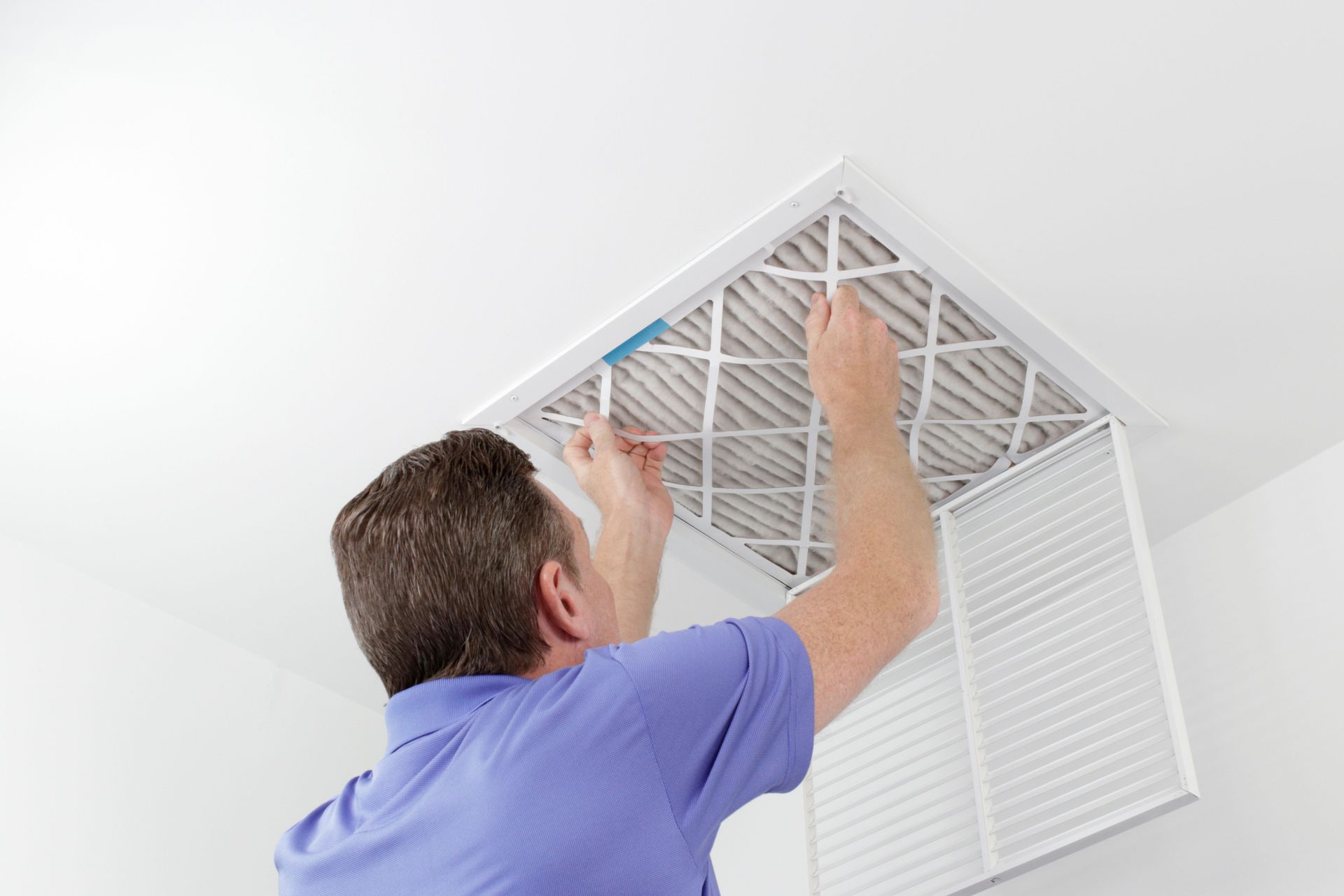
Dirty air filters are one of the most common causes. As dust, pet dander, and debris accumulate, airflow becomes restricted, and the blower must work harder to push air through the system. Over time, this extra strain can shorten equipment lifespan and increase operating costs. Replacing filters regularly is one of the simplest ways to support healthy system performance. It also helps improve indoor air quality for the household. Homes with pets or higher dust levels may need more frequent filter changes.
In some cases, the issue may lie deeper in the duct system. Crushed, disconnected, or leaking ducts can significantly reduce the amount of conditioned air reaching certain rooms. A professional inspection can identify these hidden problems and help restore proper circulation, comfort, and efficiency.
Preventing Costly Repairs
Minor issues often develop gradually before turning into major repairs. A loose belt, worn capacitor, dirty coil, or refrigerant imbalance may not cause an immediate breakdown, but over time, these problems place additional stress on the entire system. Left unaddressed, they can lead to compressor failure, frozen coils, motor burnout, or complete loss of heating and cooling. Addressing smaller concerns early is often the most cost-effective approach. Preventive service appointments can often catch these issues before homeowners even notice symptoms.
Frequent cycling is another sign worth addressing early. If the system turns on and off more often than usual, it may be struggling with thermostat calibration, airflow restrictions, or internal component wear. This repeated cycling increases energy use and places more stress on the equipment every time it starts. It can also shorten the lifespan of motors and electrical components.
Consistent service helps catch these concerns before they escalate. Professional technicians can inspect electrical connections, clean internal components, test system performance, and identify worn parts before they fail. Preventive HVAC maintenance is often far less expensive than emergency repair work or premature replacement.
Protecting your home's comfort starts with paying attention to the warning signs your system provides. Strange noises, uneven temperatures, rising utility bills, weak airflow, and repeated cycling are all signs that the heating and cooling equipment may need professional attention. Addressing these issues early helps improve comfort, lower operating costs, and reduce the risk of unexpected breakdowns. Regular HVAC maintenance also supports better indoor air quality and helps extend the overall lifespan of the system. For more information about the services that we offer, reach out to our incredible team at Crome Mechanical Heating & Cooling today!