By Todd Hurst
April 13, 2026
Commercial HVAC systems form the backbone of indoor climate control in offices, retail centers, healthcare facilities, manufacturing plants, and other large-scale environments. When these systems operate as intended, they support occupant comfort, protect equipment, and stabilize operational conditions. When they fail, the consequences can be immediate and costly. Understanding what drives a system into emergency mode allows facility managers to intervene early and partner effectively with a qualified commercial HVAC company before disruption escalates.
This article examines the most common issues that trigger emergency service calls and outlines the operational and financial implications of delayed response.
Addressing Maintenance Deficiencies
Routine inspections remain one of the most effective safeguards against sudden HVAC failure. Commercial systems are substantially larger and more complex than residential units. According to SkillCat, commercial equipment typically delivers between 2.8 and 28 tons of refrigeration capacity—illustrating the scale and performance demands placed on these systems.
With that level of output, even minor mechanical irregularities can quickly intensify. Scheduled inspections allow technicians from a commercial HVAC company to identify worn belts, declining motor performance, airflow imbalances, and calibration issues before they result in shutdowns. Preventive service preserves efficiency, reduces energy waste, and stabilizes long-term operating costs.
Replacing Clogged or Degraded Filters
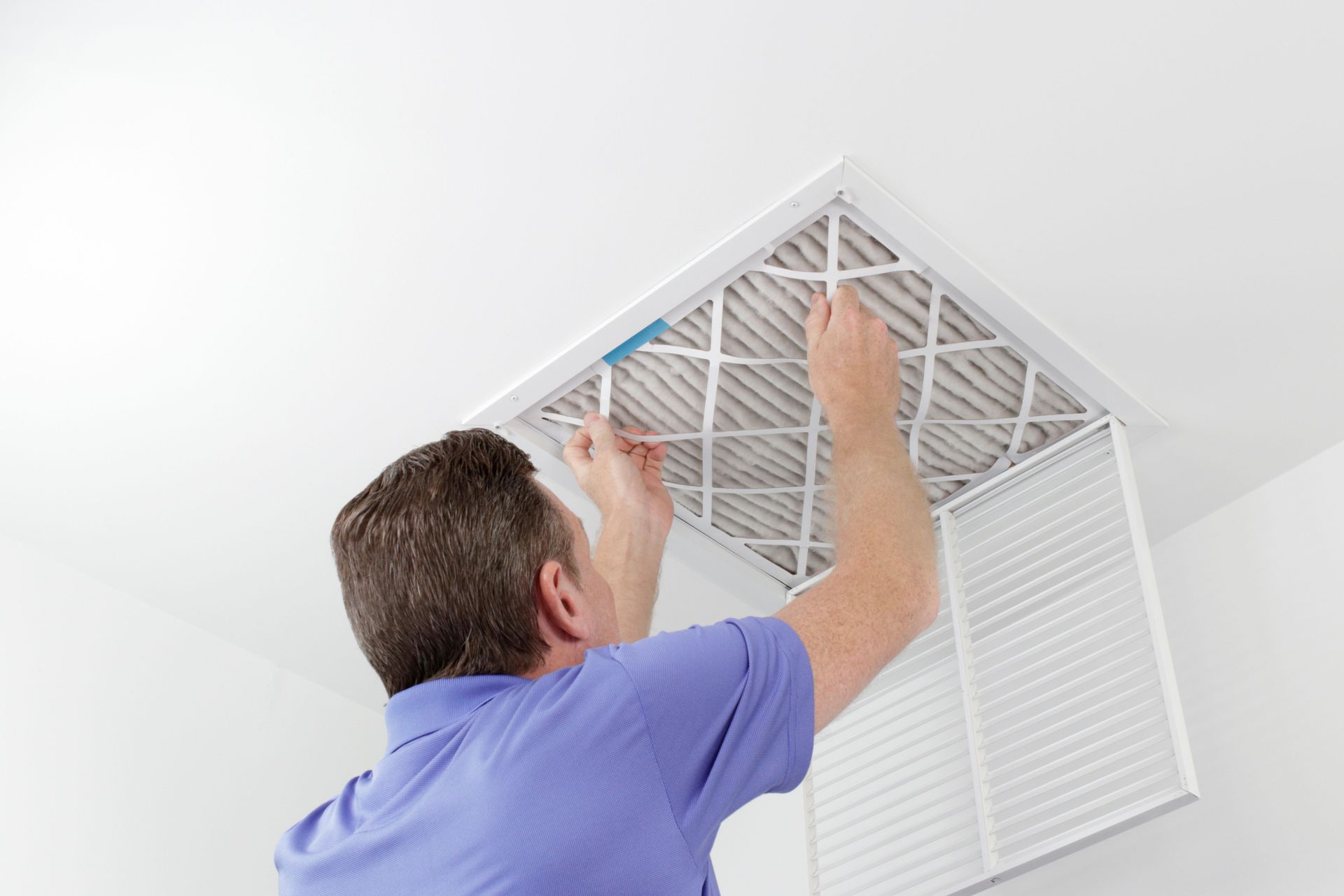
Air filters directly influence airflow, system strain, and indoor air quality. When filters become clogged, static pressure rises, and the system must work harder to maintain temperature targets. This additional strain accelerates wear on blowers, motors, and compressors.
Beyond mechanical impact, neglected filtration can compromise indoor air conditions. Dust, allergens, and airborne particles recirculate throughout the facility, affecting occupant health and productivity. Over time, restricted airflow can cause overheating and trigger safety shutoffs—forcing the system into emergency mode. Regular filter replacement is a straightforward yet critical measure.
Scheduling Seasonal Performance Evaluations
Seasonal transitions introduce new operating stresses. Cooling systems face sustained demand during peak summer temperatures, while heating components carry extended loads in winter. Conducting inspections in advance of seasonal shifts reduces the likelihood of breakdown during high-demand periods.
A commercial HVAC company can recalibrate controls, verify refrigerant levels, inspect burners, and test electrical components ahead of seasonal extremes. Proactive scheduling prevents reactive emergency calls during critical business hours.
Monitoring Mechanical Component Wear
Continuous operation subjects belts, bearings, compressors, and fan assemblies to progressive wear. In high-capacity commercial environments, deterioration can accelerate quickly. Monitoring vibration patterns, unusual noise, or declining efficiency allows early component replacement.
Ignoring these indicators often results in cascading failures. For example, a failing belt may lead to overheating, which then damages adjacent components. Routine monitoring protects capital investment and extends overall system lifespan.
Responding Promptly to Service Delays
Deferred servicing increases operational risk. Minor refrigerant imbalance, inconsistent airflow, or fluctuating electrical readings may appear manageable in the short term. However, postponing corrective action often multiplies repair costs and downtime.
Emergency repairs typically involve expedited labor, premium parts sourcing, and business disruption. Partnering consistently with a commercial HVAC company for scheduled maintenance reduces the likelihood of crisis-driven expenditures.
Managing Electrical System Vulnerabilities
Power surges represent a significant threat to commercial HVAC infrastructure. Voltage spikes can damage control boards, sensors, and compressors in a matter of seconds. Because HVAC systems integrate closely with broader building management systems, electrical disturbances may have cascading effects.
Routine inspection of surge protection devices and electrical panels reduces this exposure. Proactive surge management protects sensitive electronics and limits unexpected shutdowns.
Evaluating Circuit Capacity and Distribution
Commercial HVAC systems demand substantial electrical input. When circuits are undersized or overloaded, breakers may trip, halting operations without warning. Overloading frequently results from facility expansions or added equipment without corresponding electrical upgrades.
A thorough electrical assessment confirms whether the infrastructure aligns with the present system demand. Evaluating capacity prevents overheating, breaker failures, and unplanned outages.
Inspecting Wiring Integrity and Condition
Outdated or deteriorated wiring introduces both performance and safety concerns. Insulation breakdown, loose connections, and corrosion can produce intermittent power loss or short circuits. These issues often remain undetected until a system failure occurs.
Regular wiring inspections protect system reliability and reduce fire risk. Addressing deficiencies early supports both operational continuity and compliance with safety standards.
Monitoring Electrical Load Balance
Load imbalance within HVAC circuits can strain compressors and motors. When electrical draw exceeds system tolerance, overheating may follow. Monitoring tools that track real-time load distribution help facility managers identify emerging risks.
Collaborating with a commercial HVAC company to analyze electrical performance metrics reduces the probability of overload-related emergencies.
Implementing Emergency Power Contingencies
Power interruptions can halt climate control entirely. In healthcare, data centers, and manufacturing facilities, this can create serious operational hazards. Emergency generators or backup power systems provide critical continuity.
Regular testing of backup systems confirms readiness during outages. Without dependable contingency planning, even short-term grid interruptions can push HVAC systems into emergency response scenarios.
Detecting and Containing Refrigerant Leaks
Refrigerant leaks frequently begin with subtle symptoms: declining cooling performance, ice formation on evaporator coils, or unexplained increases in energy consumption. Audible hissing or bubbling may also signal leakage.
When refrigerant levels drop, compressors operate under increased strain. This prolonged stress elevates the risk of compressor burnout—a repair that often represents one of the highest HVAC expenses. Early detection remains critical.
Evaluating Environmental and Efficiency Implications
Refrigerant leaks carry environmental consequences, as many refrigerants contribute to greenhouse gas emissions when released. Operationally, leaks decrease cooling efficiency and inflate utility costs.
A qualified commercial HVAC company can perform leak detection testing, verify compliance with environmental regulations, and restore system balance before performance deteriorates further.
Applying Effective Leak Sealing Methods
Advanced detection equipment—including electronic and ultrasonic tools—allows technicians to pinpoint leak locations accurately. Once identified, repairs may involve tightening fittings, replacing damaged lines, or installing new components.
Short-term chemical sealants may address minor leaks, but mechanical correction typically offers longer-lasting results. Accurate sourcing and sealing restore system efficiency and prevent recurring failures.
Maintaining Regulatory Compliance Standards
Environmental regulations governing refrigerant handling continue to evolve. Noncompliance can result in penalties and reputational damage. Proper documentation of refrigerant levels, leak repairs, and service intervals supports compliance efforts.
Preventing System Overload and Capacity Strain
Improperly sized systems frequently struggle to maintain stable indoor conditions. Undersized units operate continuously, accelerating wear and elevating energy costs. Oversized units cycle excessively, creating uneven temperature distribution and mechanical stress.
Load calculations and performance assessments determine whether current equipment aligns with building demands. Capacity mismatches often surface during expansions or occupancy changes.
Managing Operational Demand Increases
Facility growth, added machinery, or increased occupancy can intensify HVAC load requirements. Without infrastructure upgrades, this strain may trigger overheating or system shutdowns. Periodic performance audits help align HVAC capacity with evolving operational demands.
Calibrating Thermostats and Control Systems
Faulty thermostats or misaligned sensors can cause erratic cycling and unnecessary strain. Regular calibration verifies accurate readings and stable operation.
Control system malfunctions frequently masquerade as mechanical failure. Diagnostic evaluation isolates the root cause and prevents unnecessary component replacement.
Commercial HVAC emergencies rarely occur without warning. Maintenance gaps, electrical instability, refrigerant loss, and capacity overload all contribute to escalating risk. Addressing these vulnerabilities proactively reduces downtime, protects capital investment, and stabilizes operating costs.
When warning signs emerge—or when your facility requires structured preventive planning—partner with an experienced commercial HVAC company that understands large-scale system demands. Contact Crome Mechanical Heating & Cooling to schedule a comprehensive system evaluation.