By Todd Hurst
May 9, 2026
Understanding when to hire an HVAC contractor can have a major impact on your business’s comfort, energy efficiency, and operational costs. Many issues start small but grow into expensive problems if left unaddressed. Recognizing the warning signs early allows you to take action before performance, employee satisfaction, or your bottom line is affected. Below are key indicators that your business could benefit from professional HVAC services.
1. Inconsistent Temperature Across Different Areas
Uneven temperatures throughout your building are one of the most noticeable signs that something isn’t working properly. If certain rooms feel too hot while others remain too cold, your HVAC system may be struggling to distribute air evenly.
These inconsistencies are often caused by issues such as unbalanced airflow, malfunctioning thermostats, aging equipment, or ductwork problems like leaks or blockages. Businesses with large floor plans, multiple levels, or open spaces are especially prone to these challenges.
Beyond discomfort, inconsistent temperatures can negatively impact employee productivity and morale. When workers are too hot or too cold, their ability to focus declines, which can reduce overall efficiency. It can also create a poor experience for customers or clients visiting your space.
While it may be tempting to troubleshoot these issues internally, misdiagnosing the problem can lead to unnecessary expenses or further damage. HVAC professionals have the tools and expertise to accurately identify the root cause and restore consistent climate control, ensuring a comfortable environment across your entire facility.
2. Escalating Energy Bills
A steady rise in energy costs without a clear explanation is another strong indicator of HVAC inefficiency. If your utility bills are increasing but your usage habits haven’t changed, your system may be working harder than necessary to maintain desired temperatures. This added strain often goes unnoticed at first, but over time, it can significantly impact your operating expenses.
Common causes include outdated equipment, clogged filters, duct leaks, or a lack of routine maintenance. Even small inefficiencies—such as slightly restricted airflow or minor thermostat calibration issues—can accumulate over time, resulting in noticeable increases in energy consumption. In some cases, systems may be cycling on and off more frequently than necessary, which not only wastes energy but also accelerates wear and tear on critical components.
External factors can also contribute to rising costs. Poor insulation, aging building infrastructure, or changes in occupancy levels can place additional demand on your HVAC system. When the system compensates for these challenges, it often consumes more energy than it should. Without proper evaluation, these hidden inefficiencies can persist and continue to drive up monthly expenses.
HVAC systems account for a large portion of a commercial building’s energy usage, so even minor improvements can lead to noticeable savings. Regular monitoring of your energy bills can help you spot unusual patterns early and identify when performance begins to decline. Comparing usage across seasons or year-over-year can also reveal inefficiencies that may otherwise go unnoticed.
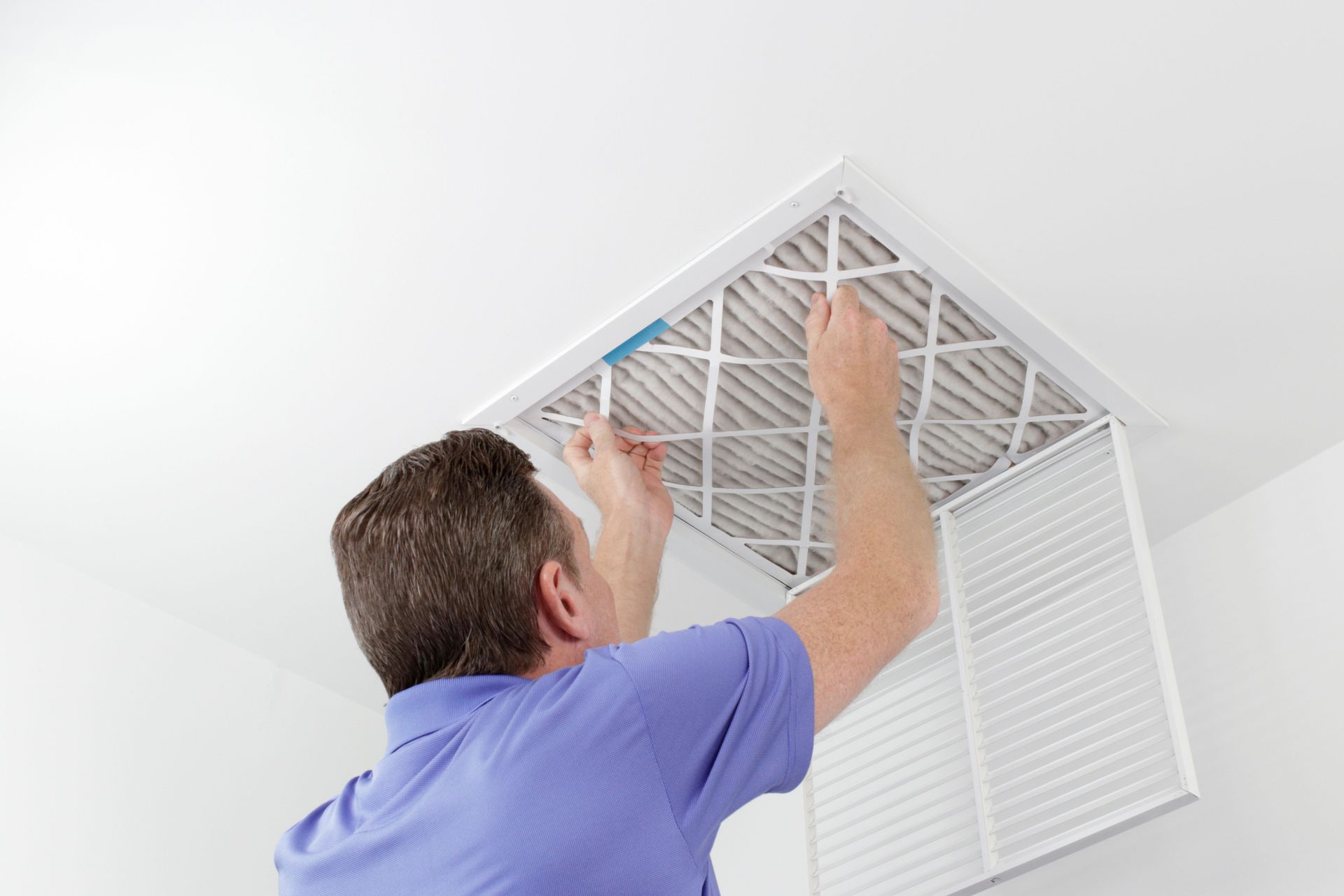
Preventative maintenance plays a critical role in controlling energy costs. Routine service appointments allow technicians to clean components, replace filters, inspect ductwork, and identify inefficiencies before they become major problems. Technicians can also optimize system settings to ensure peak performance. In many cases, investing in professional maintenance or system upgrades can quickly pay for itself through reduced energy expenses, improved efficiency, and extended equipment lifespan.
3. Frequent Repairs and System Downtime
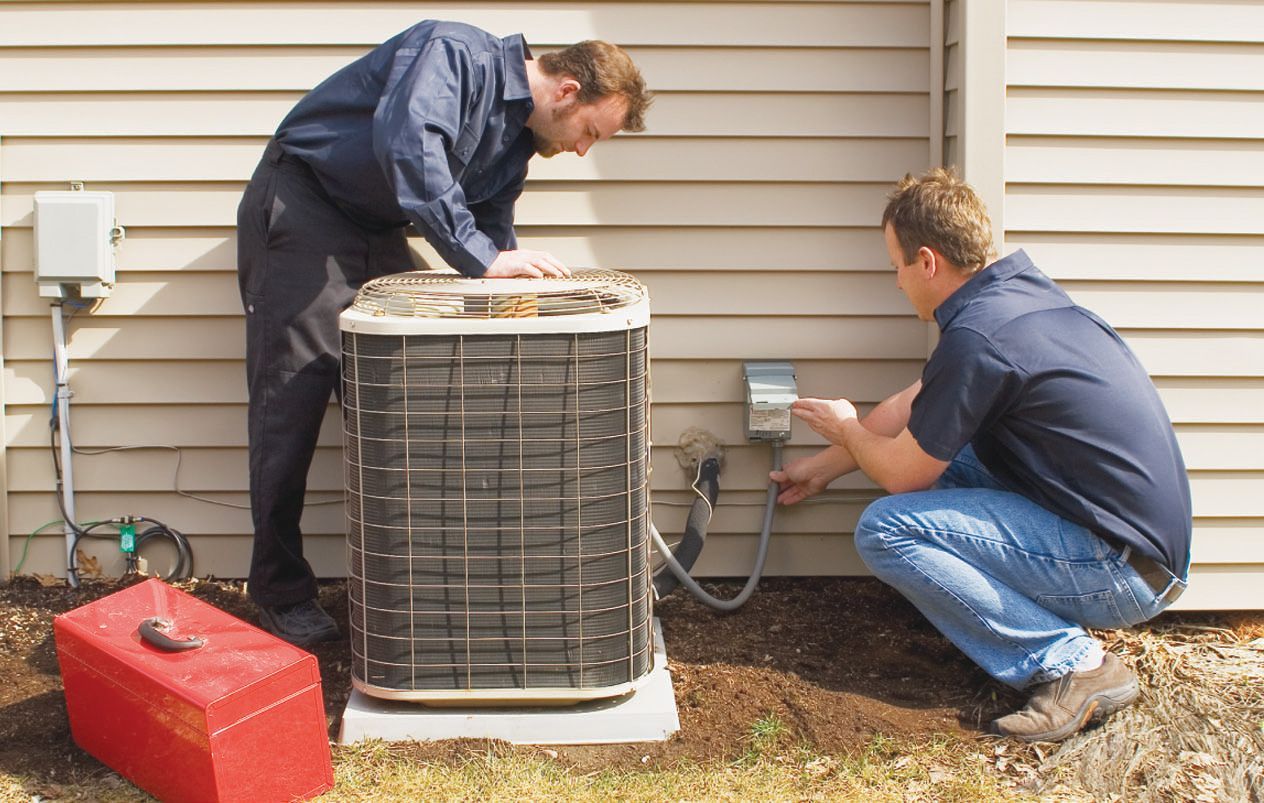
According to SkillCat, commercial HVAC equipment is generally serviced every 3 to 6 months, while residential systems usually receive maintenance every 12 months. If your HVAC system requires constant repairs, it’s a clear sign that it may be nearing the end of its lifespan or suffering from deeper issues. Frequent breakdowns, unusual noises, or recurring problems often indicate that temporary fixes are no longer enough.
While individual repairs may seem manageable, the cumulative cost can quickly add up. In some cases, businesses spend more on ongoing repairs than they would on a full system replacement.
System downtime can also disrupt daily operations. Whether it’s an office, retail space, or industrial facility, losing climate control can lead to decreased productivity, uncomfortable working conditions, and even lost revenue.
A professional HVAC contractor can assess the overall health of your system and help determine whether continued repairs are cost-effective or if replacement is the better long-term solution. This type of evaluation ensures you’re making informed decisions based on both performance and financial considerations.
4. Outdated HVAC Equipment
Technology in the HVAC industry has advanced significantly in recent years. Older systems often lack the efficiency, performance, and smart capabilities of modern equipment, making them more expensive to operate.
Outdated systems typically consume more energy, require more frequent repairs, and struggle to maintain consistent temperatures. They may also fail to meet current environmental and safety regulations, which could lead to compliance issues.
Modern HVAC systems offer improved energy efficiency, better air filtration, and smart controls that allow for automation and remote management. These features not only reduce operating costs but also improve overall system performance.
Signs that your equipment may be outdated include slow temperature adjustments, rising utility bills, and increased repair frequency. In our experience, if your system is more than 10–15 years old, it may be worth exploring upgrade options.
Working with an HVAC contractor can help you evaluate whether upgrading your system makes sense and identify solutions that align with your business needs and budget.
5. Poor Indoor Air Quality
Indoor air quality plays a critical role in employee health, comfort, and overall workplace satisfaction. If employees are experiencing symptoms such as headaches, fatigue, allergies, or respiratory issues, your HVAC system may not be effectively filtering and circulating air.
Dust, pollutants, and poor ventilation can accumulate over time, creating an unhealthy indoor environment. This not only impacts employee well-being but can also increase absenteeism and reduce productivity.
HVAC systems are designed to regulate air quality by controlling airflow, humidity, and filtration. However, without proper maintenance, these systems may fail to perform effectively.
Upgrading filters, improving ventilation, and incorporating advanced air purification technologies can significantly improve indoor air quality. Regular inspections and maintenance ensure that your system continues to operate at peak performance.
Addressing air quality issues demonstrates a commitment to employee health and creates a more comfortable and productive work environment.
6. Expansion or Renovation Plans
If your business is expanding or undergoing renovations, your current HVAC system may no longer be sufficient. Changes in layout, square footage, or usage can impact heating and cooling requirements.
An improperly sized system can lead to inefficiencies, discomfort, and increased energy costs. Systems that are too small may struggle to maintain temperature, while oversized systems can cycle on and off too frequently, reducing efficiency and lifespan.
Planning HVAC updates during renovations ensures that your system is properly designed to meet the demands of the new space. This includes evaluating system capacity, airflow distribution, and energy efficiency.
Working with an HVAC contractor early in the planning process can help you avoid costly adjustments later. Professionals can recommend the right system size, design optimal layouts, and ensure compliance with building codes and regulations.
Integrating HVAC considerations into your renovation plans supports long-term efficiency and helps create a comfortable environment as your business grows.
Protecting Your Business with Proactive HVAC Care
Your HVAC system plays a vital role in maintaining a comfortable, efficient, and healthy business environment. Ignoring early warning signs can lead to higher costs, reduced productivity, and avoidable disruptions.
From inconsistent temperatures and rising energy bills to frequent repairs and poor air quality, these indicators highlight when it’s time to bring in a professional. An HVAC contractor provides the expertise needed to diagnose issues accurately, recommend effective solutions, and ensure your system operates at peak performance.
By addressing problems early and investing in regular maintenance or upgrades, your business can improve comfort, reduce expenses, and extend the lifespan of your HVAC system. Ultimately, partnering with a professional HVAC contractor is a smart, proactive step toward maintaining a reliable and efficient workplace. Get in touch with Crome Mechanical Heating & Cooling for an HVAC contractor you can trust.