Your HVAC system does a lot of heavy lifting behind the scenes. It keeps your home comfortable through seasonal shifts, manages indoor air quality, and quietly supports everyday living. Most people don’t think about it until something goes wrong, but a little attention along the way can make a measurable difference in how long it lasts and how well it performs.
Extending the lifespan of your system isn’t about complicated upgrades or constant repairs. It comes down to consistent habits, informed decisions, and knowing when to bring in a professional HVAC company for support. When you approach maintenance with a clear strategy, you reduce stress on the system, lower operating costs, and avoid premature replacements. Below are seven practical, proven ways to help your HVAC system stay reliable for years to come.
1. Implementing Regular Maintenance Scheduling
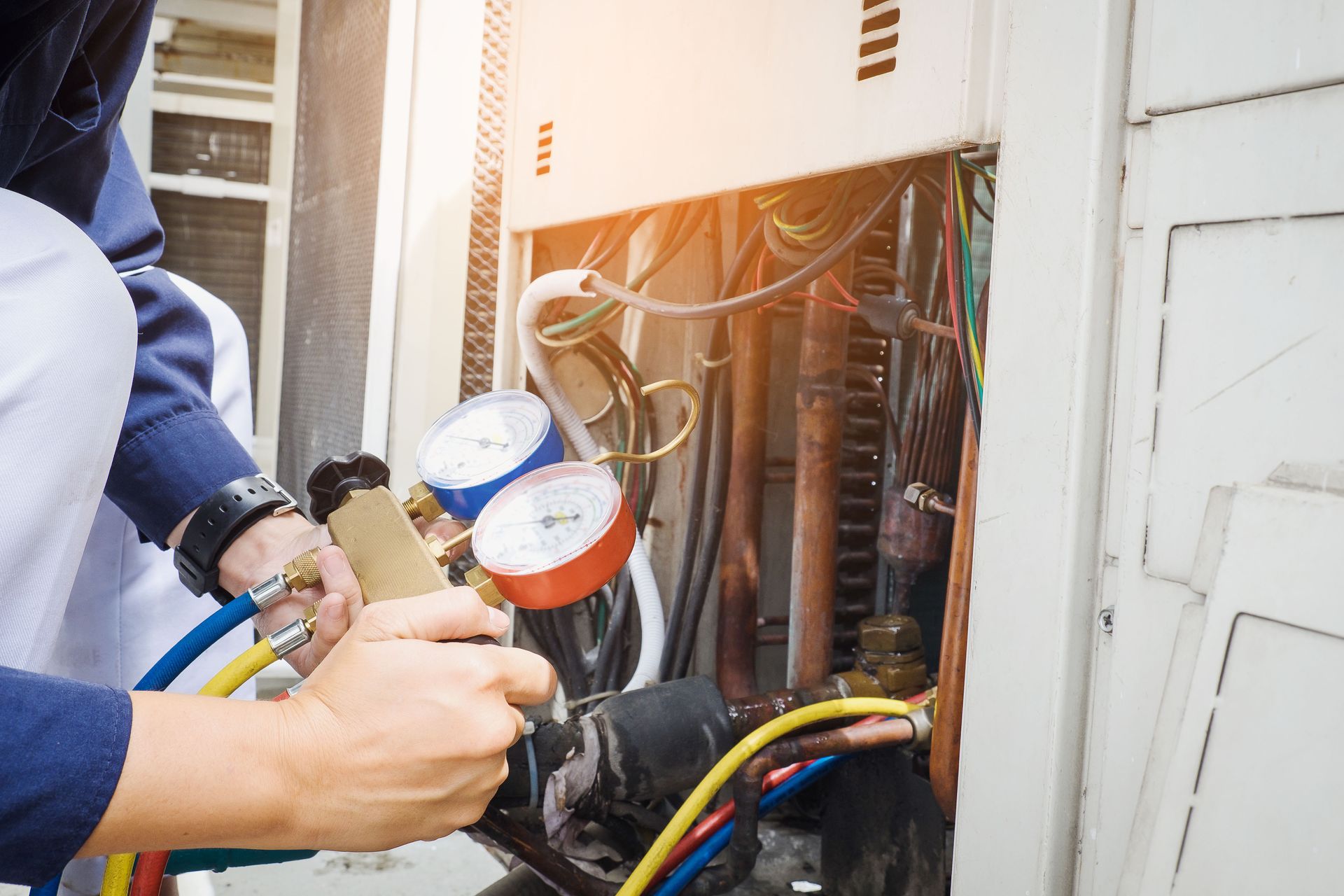
Routine maintenance is one of the most effective ways to keep your HVAC system running efficiently. Small issues often start quietly, whether it’s a loose connection or a slightly clogged component, and without regular inspections, they can grow into larger problems. Scheduling maintenance allows you to catch those early warning signs before they impact performance or lead to system failure.
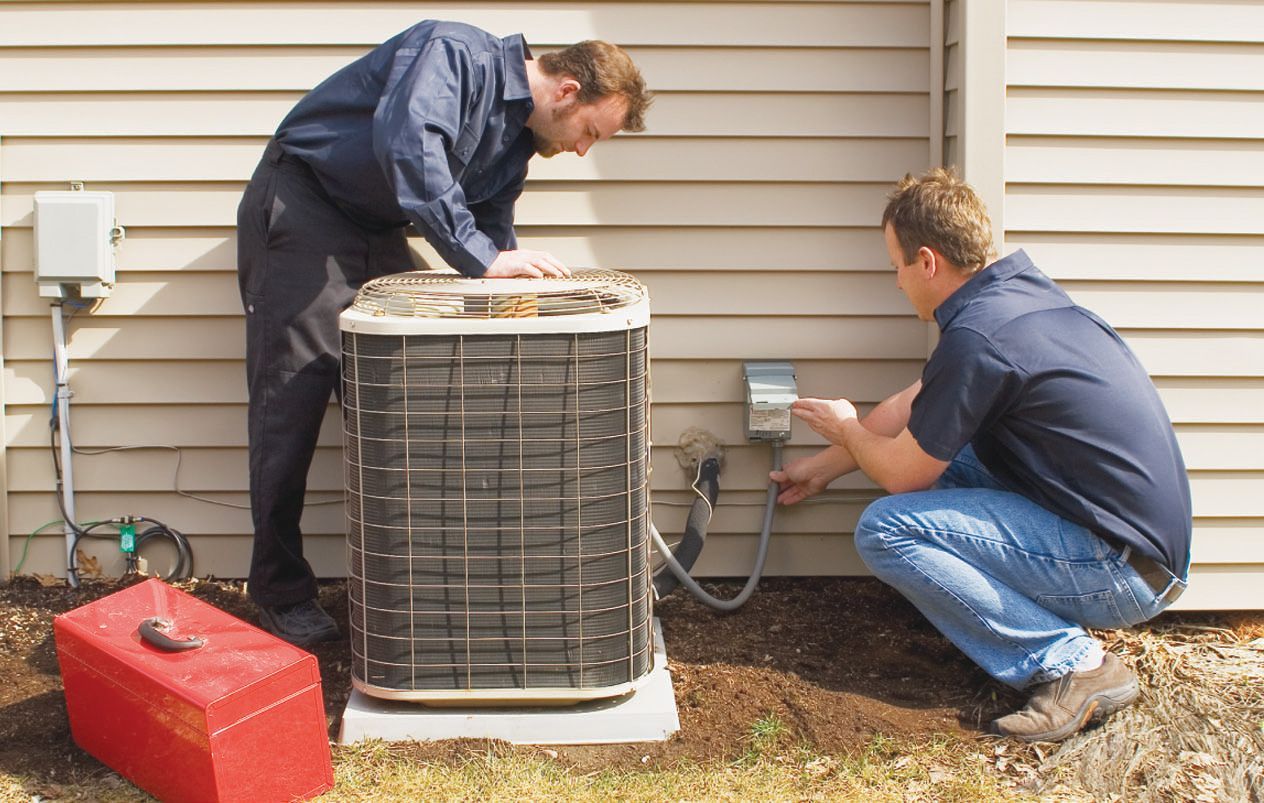
Working with a trusted HVAC company ensures that inspections are thorough and consistent. Professionals know exactly what to look for and can identify wear patterns that might not be obvious to homeowners. This includes checking refrigerant levels, cleaning internal components, and ensuring electrical connections are secure.
According to This Old House, HVAC systems that receive proper maintenance can often last up to two decades. That kind of lifespan isn’t accidental—it’s the result of consistent care and proactive servicing. By committing to a maintenance schedule, you’re giving your system the best chance to perform at its peak for as long as possible.
2. Optimizing Thermostat Setting Behavior
Your thermostat directly controls how hard your HVAC system works, and small adjustments can have a big impact over time. When temperatures are set too aggressively, the system cycles more frequently, which increases wear and shortens its lifespan. Creating a balanced approach to temperature settings helps reduce unnecessary strain without sacrificing comfort.
Programmable or smart thermostats are especially useful for maintaining efficiency. They allow you to adjust temperatures automatically based on your daily routine, reducing workload during times when heating or cooling isn’t needed. Over time, this consistency helps preserve internal components and prevents excessive cycling.
An experienced HVAC company can also help you fine-tune your settings for your specific home layout. Factors like insulation, square footage, and climate all play a role in determining the most efficient temperature range. With the right setup, your system can operate more smoothly and last significantly longer.
3. Sealing Air Leak Sources
Air leaks might seem minor, but they can quietly undermine your HVAC system’s performance. When conditioned air escapes through gaps around doors, windows, or ductwork, your system has to work harder to maintain the desired temperature. That extra effort adds up quickly and accelerates wear on key components.
Sealing these leaks is a straightforward way to improve efficiency and reduce strain. Weatherstripping, caulking, and proper duct sealing all contribute to a more controlled indoor environment. Once those gaps are addressed, your system can maintain temperature with less effort, which directly supports longevity.
Many homeowners underestimate how impactful this step can be, but a qualified HVAC company can assess your home and identify areas where air loss is occurring. With those improvements in place, your system doesn’t have to compensate for inefficiencies, allowing it to run more consistently and with less stress.
4. Replacing Air Filter Consistently
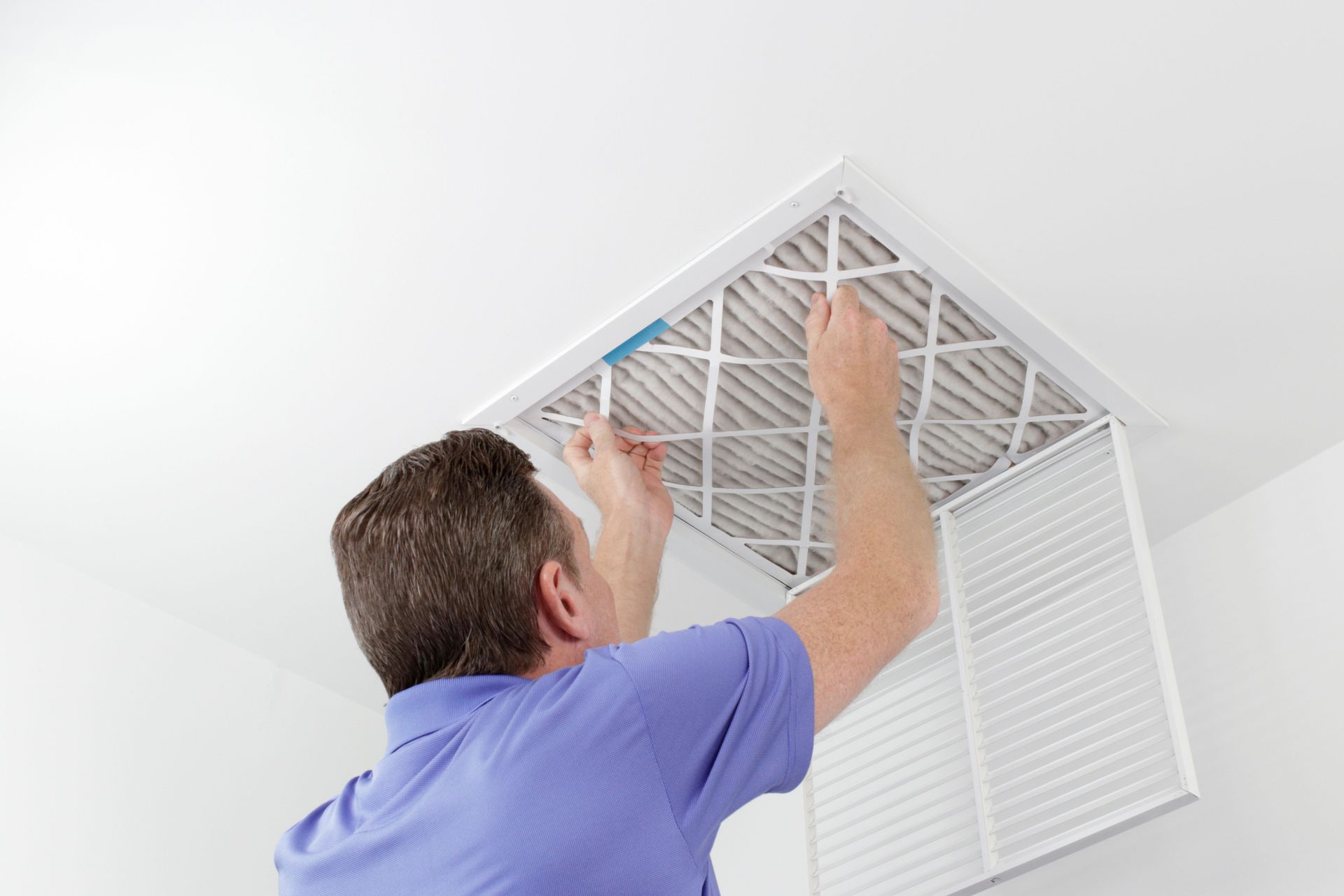
Air filters play a critical role in both air quality and system performance. When filters become clogged with dust and debris, airflow is restricted, forcing your HVAC system to work harder than necessary. Over time, that added strain can lead to overheating, reduced efficiency, and premature component failure.
Replacing filters regularly is one of the simplest ways to protect your system. Most households benefit from changing filters every one to three months, depending on usage and environmental conditions. Clean filters allow air to flow freely, helping the system operate as intended.
If you’re unsure which filter type is best, consulting an HVAC company can help you make the right choice. Different filters offer varying levels of filtration, and selecting the right one ensures a balance between air quality and system efficiency. Staying consistent with this habit keeps your system running smoothly and extends its overall lifespan.
5. Clearing Outdoor Unit Surroundings
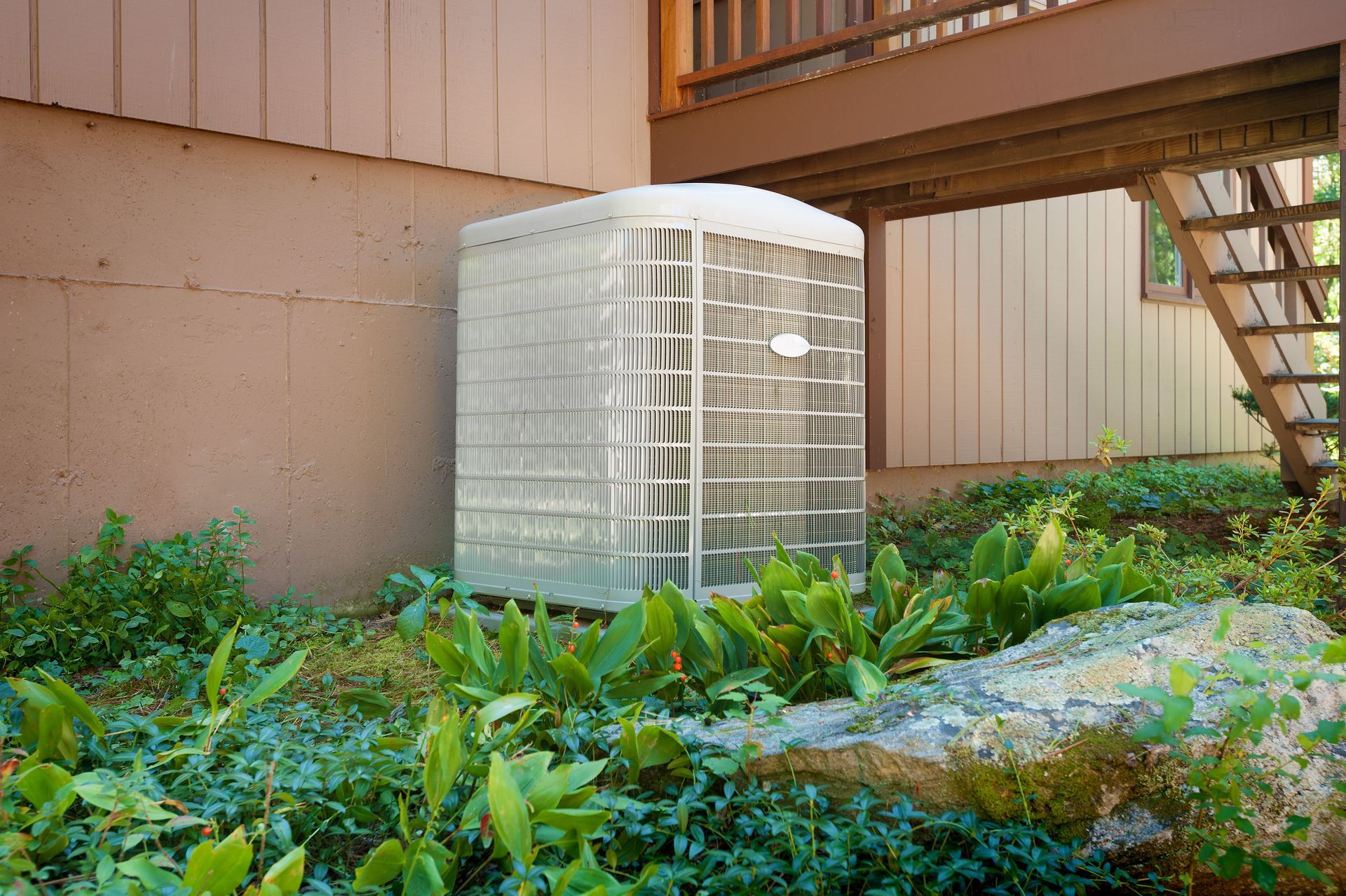
Your outdoor unit needs space to function properly. When it’s surrounded by debris, overgrown plants, or other obstructions, airflow becomes restricted, and the system has to work harder to release heat. This added pressure can reduce efficiency and contribute to long-term wear.
Keeping the area around your unit clear is a simple but effective maintenance step. Trimming vegetation, removing leaves, and ensuring proper clearance allows the system to breathe and operate without unnecessary resistance. It also makes inspections and servicing easier when access isn’t blocked.
A professional HVAC company will often check outdoor unit conditions during routine visits, but maintaining the space between appointments is just as important. By keeping the area clean and open, you support better performance and reduce the risk of avoidable damage.
6. Upgrading Insulation Performance
Insulation plays a major role in how efficiently your HVAC system operates. When your home is properly insulated, it holds temperature more effectively, reducing the amount of work required from your system. Without adequate insulation, conditioned air escapes, and the system has to compensate by running longer and more frequently.
Improving insulation doesn’t always require a full renovation. Adding insulation to key areas like attics or sealing gaps in existing materials can make a noticeable difference. These upgrades help stabilize indoor temperatures and reduce the demand placed on your HVAC system.
An HVAC company can evaluate how insulation impacts your system’s performance and recommend targeted improvements. When insulation and HVAC work together efficiently, the result is a more balanced system that experiences less strain over time. This directly contributes to a longer operational lifespan.
7. Investing in System Efficiency Enhancing
Technology has made it easier than ever to improve HVAC efficiency. From high-efficiency units to smart monitoring systems, there are multiple ways to reduce energy use while extending the life of your equipment. These upgrades aren’t just about convenience—they’re about minimizing wear and optimizing performance.
If your system is older, it may be worth exploring whether an upgrade makes sense. Newer systems are designed to operate more efficiently, which means less stress on internal components. Even incremental improvements, like adding zoning controls or upgrading to a smart thermostat, can make a meaningful difference.
Working with a knowledgeable HVAC company helps you evaluate which upgrades provide the best return on investment. The goal isn’t to replace equipment unnecessarily, but to ensure your system is operating as efficiently as possible. With the right enhancements in place, your HVAC system can perform better and last longer.
Extending the life of your HVAC system comes down to consistent care and smart decision-making. Each of these strategies works together to reduce strain, improve efficiency, and prevent avoidable issues. When you stay proactive, your system rewards you with reliable performance and fewer unexpected costs.
The key is to treat maintenance as an ongoing process rather than a one-time task. From filter changes to professional inspections, every step contributes to a stronger, more durable system. Partnering with a trusted HVAC company ensures that you’re not navigating these decisions alone and that your system receives the attention it needs. If you’re ready to protect your investment and keep your system running at its best, reach out to Crome Mechanical Heating & Cooling today.