By Todd Hurst
May 22, 2026
When an HVAC system begins showing signs of trouble, scheduling an inspection with an experienced HVAC contractor is one of the most important steps a property owner can take. Heating and cooling systems affect comfort, energy efficiency, indoor air quality, and the overall condition of a home or commercial building. A professional inspection allows technicians to identify hidden concerns before they become more expensive and disruptive.
Routine inspections also help ensure the system operates safely and efficiently throughout changing weather conditions. Whether the appointment is part of preventive maintenance or prompted by performance issues, a qualified HVAC contractor follows a detailed process to evaluate the condition of the equipment and its supporting components. Understanding what professionals examine during these visits can help property owners recognize the value of regular service and long-term system care.
1. Airflow Performance
One of the first things an HVAC contractor evaluates during an inspection is airflow throughout the system. Proper airflow is essential because it directly affects comfort, efficiency, and equipment performance. Weak or uneven airflow can indicate several underlying issues, including blocked vents, dirty filters, damaged ductwork, or blower motor concerns.
Technicians carefully inspect vents, registers, and air handlers to determine whether conditioned air is moving properly through the property. Rooms with inconsistent temperatures often signal airflow restrictions that require professional attention. Poor airflow can also force the system to work harder than necessary, placing unnecessary strain on important components.
An HVAC contractor may also look for signs of dust buildup around vents and duct openings. Excess debris can interfere with circulation and reduce indoor air quality. By identifying airflow problems early, professionals can recommend solutions that improve comfort while reducing wear on the system.
Another important aspect of airflow evaluation involves checking for obstructions around indoor and outdoor equipment. Furniture, storage items, landscaping, and debris can interfere with proper circulation and reduce efficiency. Professional inspections ensure these issues are identified before they lead to more serious operating problems.
2. Electrical Components
Electrical systems play a critical role in HVAC performance, making them a major focus during inspections. An HVAC contractor carefully examines wiring, connections, capacitors, relays, and control boards to ensure the system is operating safely and reliably.
Loose or damaged electrical connections can create inconsistent operation, reduce efficiency, and increase the risk of equipment failure. In some situations, faulty wiring may even present a fire hazard. During an inspection, technicians look for signs of overheating, corrosion, or worn electrical parts that could compromise system performance.
Thermostat connections and communication between system components are also reviewed. If the thermostat is not properly calibrated or communicating effectively, the HVAC system may struggle to maintain comfortable temperatures. A professional inspection helps verify that all controls are functioning correctly.
Electrical inspections are especially important for aging systems. Over time, components naturally experience wear, and early detection can help prevent unexpected breakdowns. According to Today’s Homeowners, it’s often recommended to replace an air conditioning system when repair expenses reach 50% or more of the cost of purchasing new equipment. This guideline helps property owners make informed decisions about long-term system investments.
An experienced HVAC contractor understands how to identify electrical concerns before they escalate into costly failures. This proactive approach helps extend equipment life while improving overall reliability.
3. Refrigerant Levels
Refrigerant is essential for cooling performance, so checking refrigerant levels is another important part of a professional inspection. When refrigerant levels are incorrect, the system may struggle to cool properly, consume more energy, and experience excessive wear.
An HVAC contractor inspects refrigerant lines, coils, and connections for signs of leaks or damage. Low refrigerant levels often indicate a leak somewhere within the system, and ignoring the problem can lead to compressor damage or complete system failure. Since refrigerant handling requires specialized training and equipment, professional service is necessary for safe and accurate diagnosis.
During the inspection, technicians may also evaluate the condition of insulation surrounding refrigerant lines. Damaged insulation can reduce efficiency and contribute to temperature inconsistencies. Proper insulation helps maintain system performance and prevents unnecessary energy loss.
Frozen evaporator coils can also indicate refrigerant-related problems. If coils freeze repeatedly, it may suggest restricted airflow, refrigerant imbalance, or additional system concerns. An HVAC contractor carefully examines these conditions to determine the root cause and recommend appropriate solutions.
Refrigerant inspections are especially valuable because cooling problems are not always obvious at first. A system may continue operating while gradually losing efficiency, causing higher utility costs and reduced comfort over time. Routine inspections help catch these issues before they become severe.
4. Ductwork Condition
Ductwork serves as the delivery system for heated and cooled air, making its condition a key part of any HVAC inspection. Even a high-performing unit may struggle if the duct system contains leaks, gaps, or damage.
An HVAC contractor inspects visible ductwork for disconnected sections, loose seals, and signs of deterioration. Damaged ducts can allow conditioned air to escape before it reaches living spaces, reducing efficiency and creating uneven temperatures throughout the property.
Inspections may also reveal excessive dust accumulation, moisture concerns, or signs of mold growth within certain areas of the duct system. These issues can negatively affect indoor air quality and potentially contribute to respiratory discomfort for occupants. Professional evaluations help determine whether cleaning, sealing, or repairs are necessary.
An HVAC contractor may also assess whether the duct design properly supports the building’s heating and cooling demands. Poorly designed duct systems can create persistent comfort problems and reduce overall efficiency. Through a detailed inspection, professionals can identify opportunities for improved airflow and system balance.
5. System Cleanliness
Cleanliness has a significant impact on HVAC efficiency and performance. During an inspection, an HVAC contractor examines both indoor and outdoor components for dirt, debris, and buildup that may interfere with operation.
Dirty evaporator and condenser coils can reduce the system’s ability to transfer heat effectively. This forces the equipment to work harder to maintain desired temperatures, increasing energy consumption and accelerating wear. Cleaning these components helps restore proper efficiency and improve overall performance.
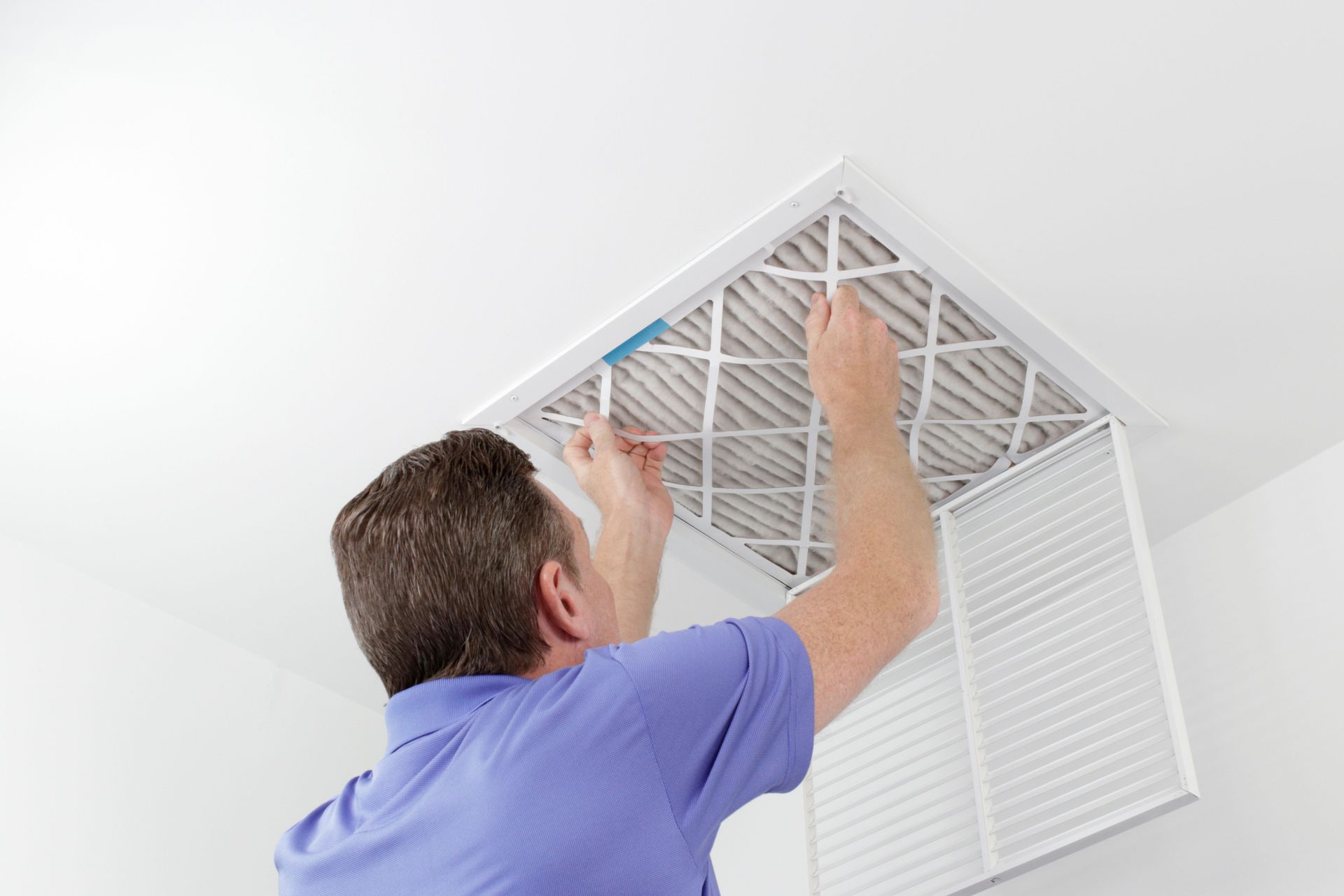
Air filters are another major focus during inspections. A clogged filter can restrict airflow, reduce indoor air quality, and place additional strain on the system. Technicians evaluate the condition of the filter and recommend replacement schedules based on the property’s needs and usage patterns.
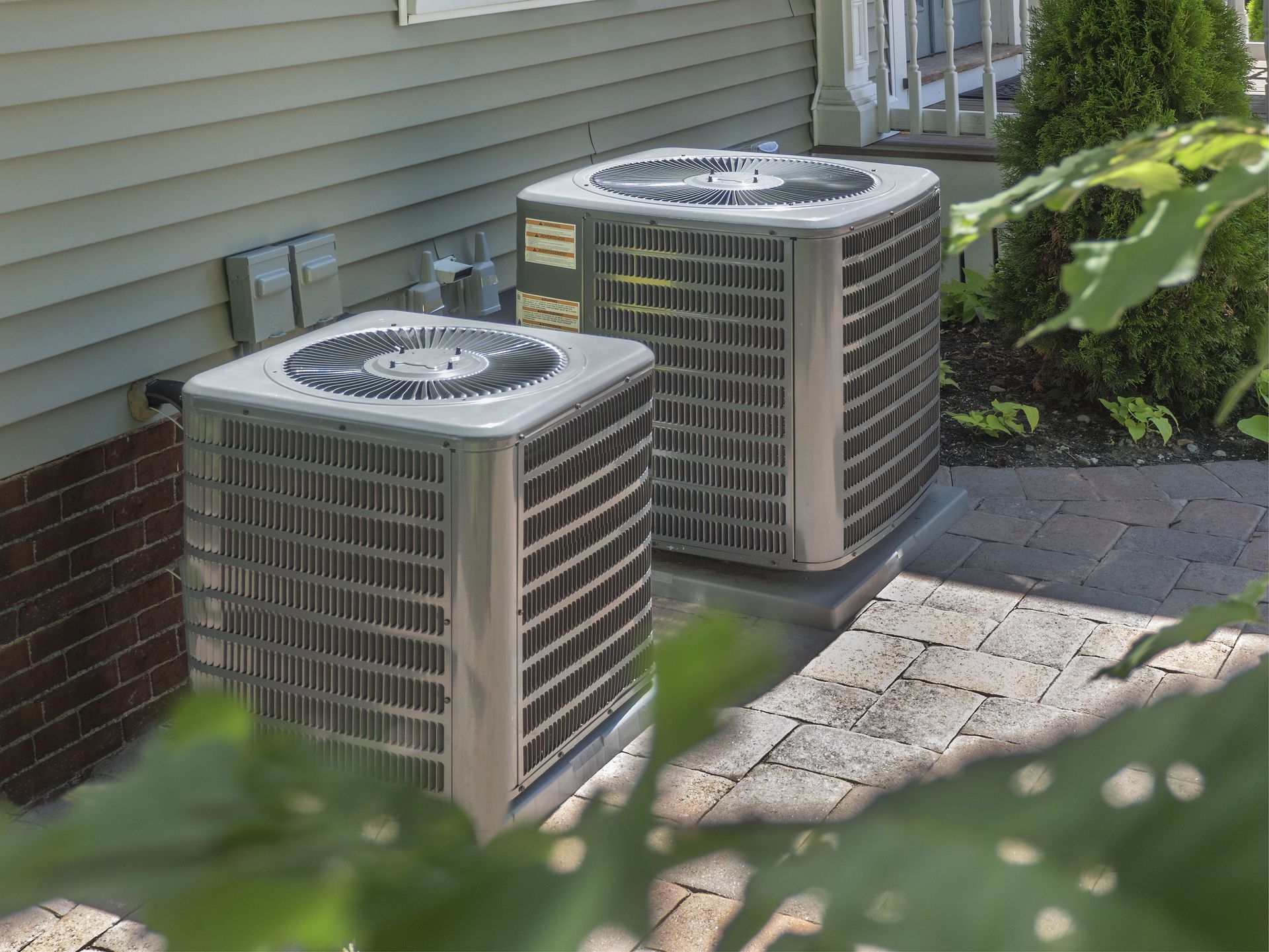
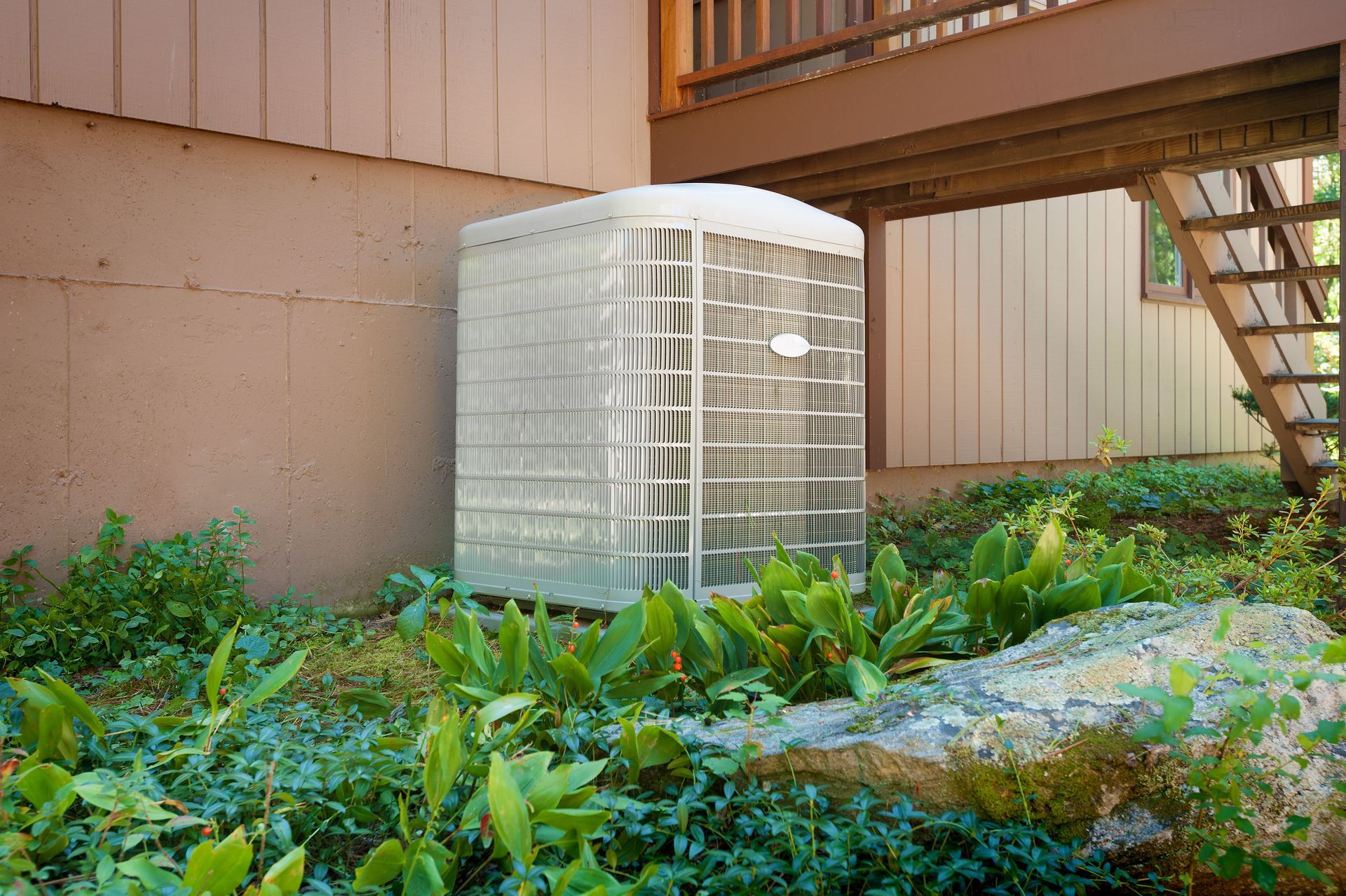
Outdoor units are also inspected for debris such as leaves, dirt, and vegetation that could obstruct airflow. Restricted outdoor airflow can negatively impact cooling performance and place unnecessary stress on the compressor. Keeping these areas clear helps support proper system function.
Drain lines and condensate systems are carefully checked as well. Blocked drain lines can lead to moisture accumulation, water damage, and potential mold growth. An HVAC contractor ensures these systems are functioning properly to help prevent future complications.
6. Overall Equipment Condition
Beyond individual components, an HVAC contractor evaluates the overall condition and age of the system during an inspection. This broader assessment helps determine whether the equipment is operating efficiently and whether future repairs or upgrades may be necessary.
The inspection may also include evaluating the condition of motors, belts, fans, burners, and heat exchangers. Each component plays an important role in system operation, and identifying early signs of deterioration helps property owners plan for future maintenance or replacement needs.
Routine inspections provide valuable insight into the condition of the HVAC system as a whole. By identifying concerns early, property owners can reduce the risk of unexpected breakdowns while improving efficiency and comfort throughout the year.
Regular inspections are one of the best ways to protect the performance and longevity of a heating and cooling system. From airflow and refrigerant levels to electrical components and ductwork, every part of the inspection process serves an important purpose. A skilled HVAC contractor understands how to identify developing issues before they become costly repairs, helping property owners maintain comfort, safety, and energy efficiency.
If your system is due for an inspection or showing signs of trouble, our team at Crome Mechanical Heating & Cooling is here to help. We take pride in delivering dependable service, detailed inspections, and professional solutions designed to keep our customers comfortable throughout every season.