By Todd Hurst
October 31, 2026
Home renovation projects represent an exciting opportunity for property owners to improve property value, update functionality, and enhance overall living comfort. While cosmetic upgrades often take center stage, essential mechanical systems form the true foundation of any successful home transformation. According to new research by Carrier, more than half of U.S. homeowners considered upgrading or remodeling their current home this year, signaling continued confidence in home improvement even amid financial uncertainty. Successfully integrating heating, cooling, and ventilation updates requires careful planning and precise execution. Qualified HVAC companies provide the essential guidance required to ensure that updated climate control systems function reliably, run efficiently, and integrate seamlessly into newly renovated architectural floor plans.
Understanding Heating and Cooling System Basics
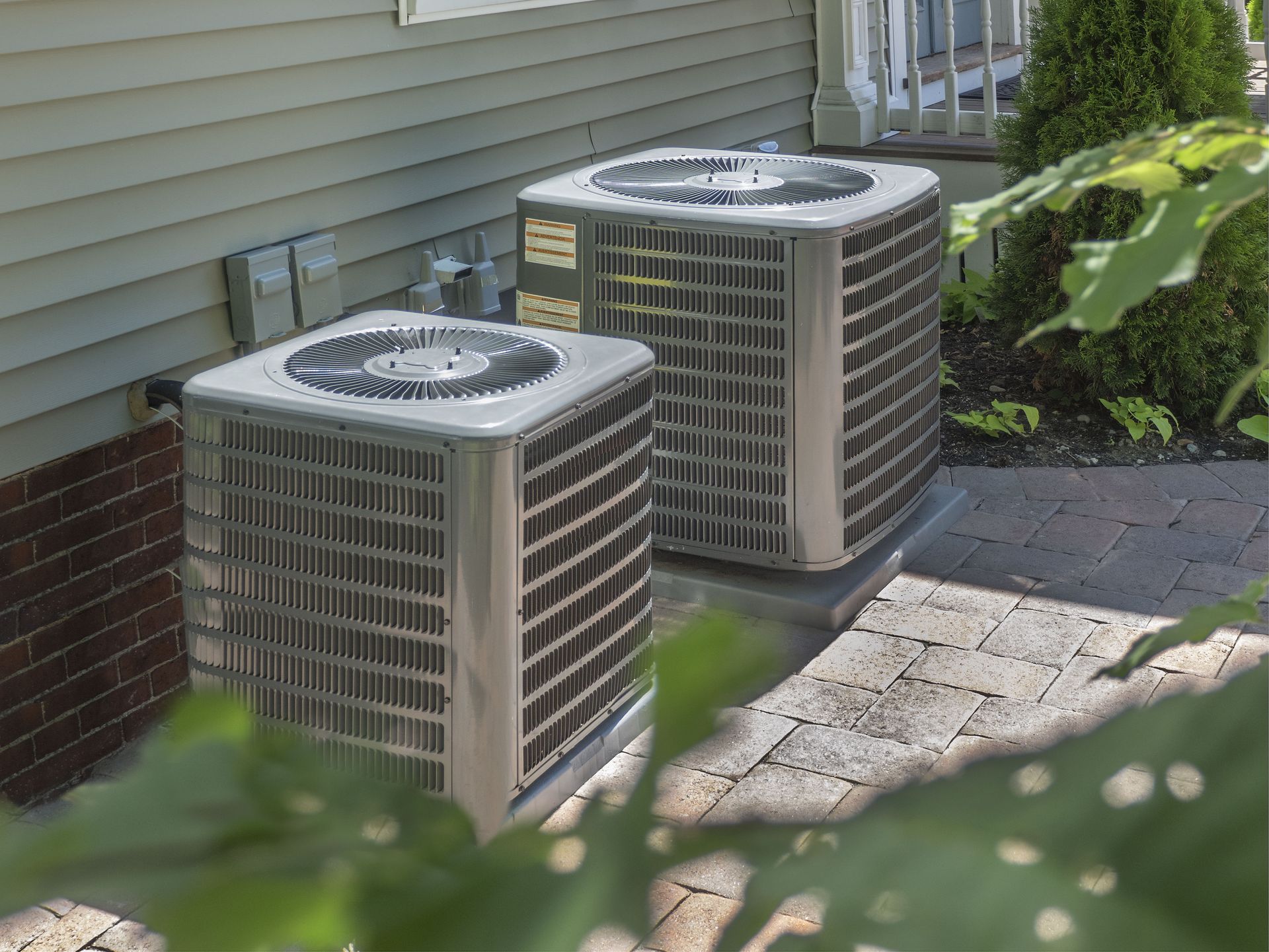
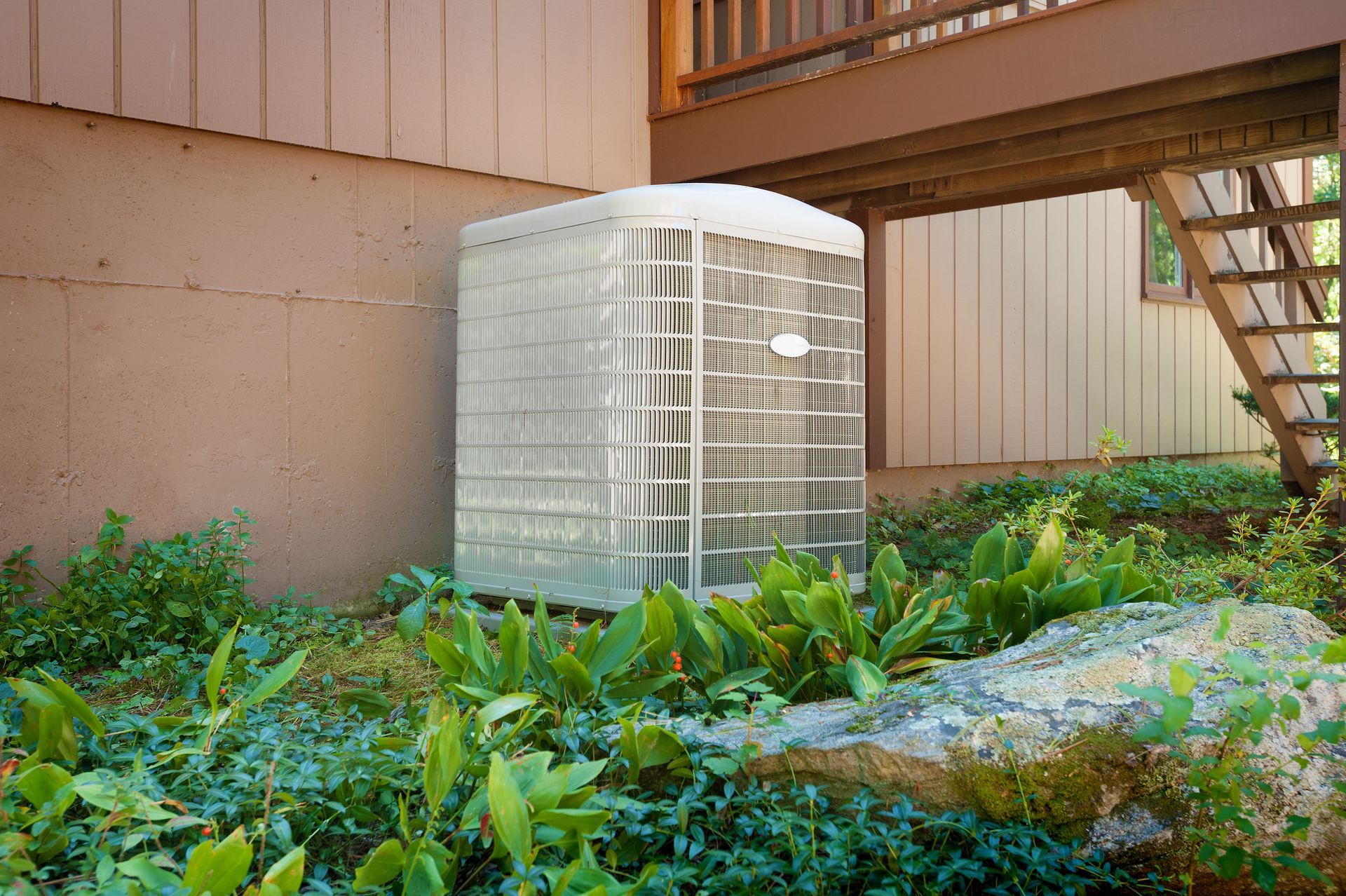
Modern heating, ventilation, and air conditioning equipment includes a network of essential components designed to work together to regulate indoor climate. Key elements include furnaces, heat pumps, central air conditioning units, ductwork networks, ventilation dampers, and smart thermostats. Each component plays a vital role in circulating conditioned air throughout a residence while adapting to changing outdoor weather conditions. Recognizing how these distinct parts interact allows property owners to make informed decisions when planning a major home remodeling project.
Technological advancements have significantly improved how modern climate control systems operate within residential properties. Modern units utilize advanced sensors, variable-speed motors, and automated controls to deliver accurate temperature management throughout every season. Many contemporary systems also feature wireless connectivity, allowing homeowners to manage settings remotely through smartphone applications. Partnering with HVAC companies during early renovation planning ensures that modern automated features are integrated smoothly into the overall home design.
Evaluating Energy Efficiency in Modern Equipment
Energy efficiency remains a top priority for homeowners looking to modernize their indoor environment during a home remodel. High-performance heating and cooling equipment consumes less electricity while delivering superior thermal comfort across living spaces. Advanced components such as high-efficiency heat exchangers and variable-capacity compressors minimize operational waste and lower monthly utility costs. Investing in energy-efficient equipment ultimately supports long-term financial savings while reducing the overall environmental impact of a residential property.
Despite the prevalence of modern climate control technology, several persistent misconceptions continue to circulate among property owners. A common mistake is that larger equipment always delivers better performance, whereas oversized systems actually cause frequent cycling and unnecessary mechanical wear. Another common misconception is that shutting systems off entirely when leaving home saves energy, though maintaining a consistent temperature often requires less power overall. Professional HVAC companies help clear up these misunderstandings, helping homeowners select properly sized systems for their specific renovation plans.
Prioritizing Routine System Care and Maintenance
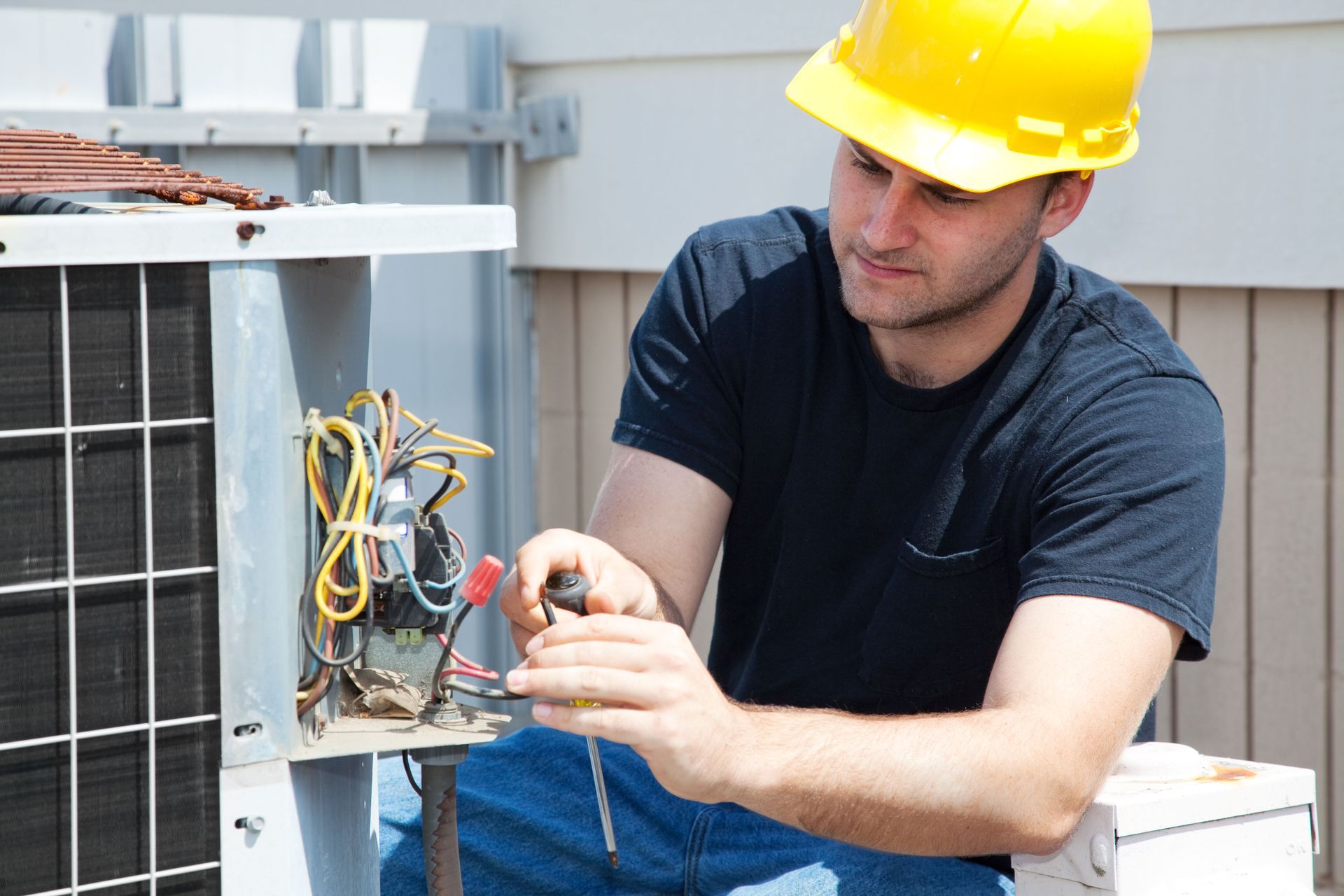
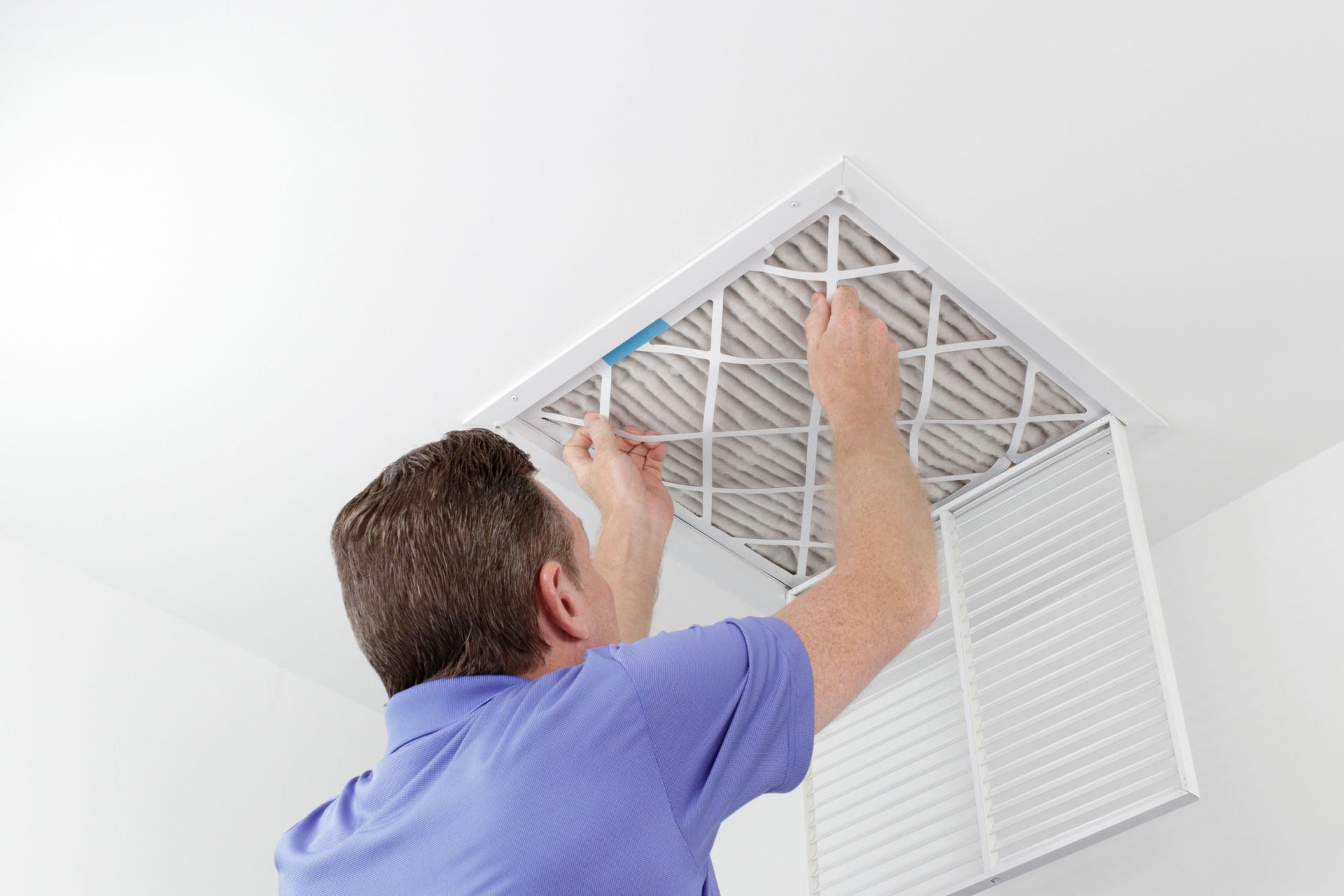
Regular maintenance remains fundamental to keeping residential heating and cooling units operating reliably over many years. Routine inspections and professional tune-ups allow technicians to identify minor issues before they turn into costly mechanical failures. Basic maintenance procedures include replacing air filters, cleaning evaporator coils, verifying refrigerant charge levels, and checking electrical connections. Establishing a consistent maintenance plan after a renovation project safeguards valuable equipment investments and preserves peak operating performance.
Preventative maintenance routines also contribute directly to lower energy consumption and extended equipment lifespans. Clean, well-maintained components operate with less mechanical resistance, ensuring smooth airflow and consistent temperature control across all living zones. Property owners who schedule regular post-renovation servicing enjoy dependable comfort, lower operational expenses, and greater long-term reliability from their updated climate control investments.
Integrating Climate Infrastructure into Design Plans
The early design stage of a renovation project provides the ideal opportunity to integrate mechanical requirements into architectural blueprints. Collaboration between home designers, general contractors, and mechanical specialists ensures that ductwork pathways, air vents, and main units fit logically within the structural layout. Early planning prevents costly layout changes during construction while preserving clean interior aesthetics across remodeled rooms.
Prior to finalizing remodeling plans, conducting a comprehensive evaluation of existing ductwork and equipment is an essential step. Qualified technicians review the age, mechanical condition, and structural capacity of current ductwork and electrical connections. This detailed assessment confirms whether existing infrastructure can adequately handle modified square footage or if targeted system upgrades are necessary to support the new layout.
Tailoring Custom Solutions to Unique Layouts
Customizing mechanical layouts to match unique floor plans is essential for ensuring balanced air distribution throughout a remodeled residence. Every home presents distinct structural features, including ceiling heights, window orientations, insulation quality, and overall square footage. Professional HVAC companies analyze these spatial variables to specify appropriate equipment sizes, optimize airflow pathways, and design balanced duct networks that maintain uniform comfort across all living spaces.
Accurate budget forecasting is another critical component of planning climate control upgrades during a residential remodel. Estimating project expenses involves reviewing equipment pricing, labor costs, ductwork modifications, and long-term operating savings. Detailed cost assessments help homeowners balance upfront financial investments against projected utility savings over time, ensuring informed decision-making throughout the renovation process.
Collaborating Across Remodeling Project Teams
Seamless communication among various construction trades is vital for executing complex home renovation projects efficiently. Heating and cooling technicians must work closely alongside electricians, carpenters, and general contractors to coordinate installation schedules and avoid spatial conflicts. Effective trade coordination ensures that mechanical equipment is installed correctly without causing unnecessary construction delays or compromising structural integrity.
Selecting high-efficiency climate control equipment aligns perfectly with modern sustainability standards and eco-friendly building practices. High Seasonal Energy Efficiency Ratio (SEER) ratings and ENERGY STAR certifications help homeowners identify equipment built for optimal energy conservation. Upgrading to eco-friendly systems reduces household carbon emissions while establishing a modern, sustainable living environment.
Understanding Sustainability and Financial Incentives
Sustainable heating and cooling practices extend beyond low power consumption to include eco-friendly refrigerants and minimal operational emissions. Modern system designs prioritize compact layouts that minimize duct losses and maximize energy conservation. As environmental responsibility continues to influence residential design, professional HVAC companies assist property owners in selecting equipment that meets strict environmental guidelines.
Numerous regional utility providers and government agencies offer attractive rebates and financial incentives to encourage high-efficiency system installations. These incentive programs reduce the initial purchase price of qualifying equipment, making premium energy-saving technology far more accessible. Taking advantage of available financial rebates helps property owners lower overall project costs while securing high-performance mechanical systems for their remodeled homes.
Enhancing Indoor Air Quality in Remodeled Homes
Indoor air quality is a fundamental element of a healthy, comfortable living environment, making it a key consideration during home renovations. Construction activities often stir up fine dust, debris, and pollutants that can compromise air quality if not managed properly. Modern mechanical systems maintain healthy indoor air by regulating humidity levels, filtering out airborne particulate matter, and circulating fresh outdoor air throughout the residence.
Integrating advanced air filtration and mechanical ventilation solutions during a renovation project significantly improves indoor air freshness. Whole-home air purifiers, high-efficiency media filters, and energy recovery ventilators work together to capture dust, pollen, and microscopic airborne pollutants. Establishing clean air filtration systems ensures that newly remodeled living spaces remain healthy, fresh, and comfortable for all family members.
Designing Solutions for Specialized Spaces
Unique residential layouts, room additions, and historic home restorations require tailored mechanical solutions to achieve optimal climate control. Space-constrained areas such as finished attics, converted basements, or historic properties often lack room for traditional ductwork networks. Utilizing ductless mini-split systems provides precise localized heating and cooling without requiring extensive structural alterations or invasive duct installations.
Expanding residential living spaces through home additions requires careful reevaluation of overall heating and cooling capacity. Adding square footage increases thermal demand, which can overload original mechanical equipment if left unaddressed. Experienced HVAC companies assess whether expanding duct networks, installing supplementary ductless equipment, or upgrading the central unit delivers the most effective climate control for newly added living areas.
Verifying System Performance Post-Renovation
Following the completion of home remodeling work, performing complete system testing and air balancing is essential to verify peak operational performance. Qualified technicians measure airflow volumes, calibrate control thermostats, and verify proper mechanical operation across all living zones. Thorough testing ensures that conditioned air is distributed evenly and efficiently throughout the entire home.
Providing clear operational guidance helps property owners maximize the comfort and efficiency benefits of their newly installed mechanical equipment. Understanding how to program smart thermostats, manage zoned temperatures, and schedule basic air filter replacements empowers homeowners to keep their systems operating smoothly. For comprehensive heating, cooling, and ventilation solutions tailored to your upcoming home renovation, contact Crome Mechanical Heating & Cooling.