By Todd Hurst
September 29, 2026
Understanding why regular HVAC maintenance is crucial can save homeowners time, money, and stress. This article delves into the significant benefits of routine HVAC maintenance and how it can enhance comfort, safety, and efficiency in your home. As the backbone of modern home comfort, HVAC systems require consistent attention to optimize their performance. Regular maintenance can help prevent costly repairs and extend the lifespan of the system. Emphasizing the importance of preventative measures can ensure that your home remains a place of comfort and efficiency.
The Basics of HVAC Systems
An HVAC system, which stands for Heating, Ventilation, and Air Conditioning, is a technology designed to regulate indoor environmental comfort. It provides heating during colder months and cooling during warmer months, ensuring a consistent climate within a building. This system is integral to maintaining a comfortable living environment and improving indoor air quality. Over time, advancements in HVAC technology have significantly increased its effectiveness and efficiency. Familiarity with what an HVAC system entails can aid homeowners in recognizing its essential role in modern homes.
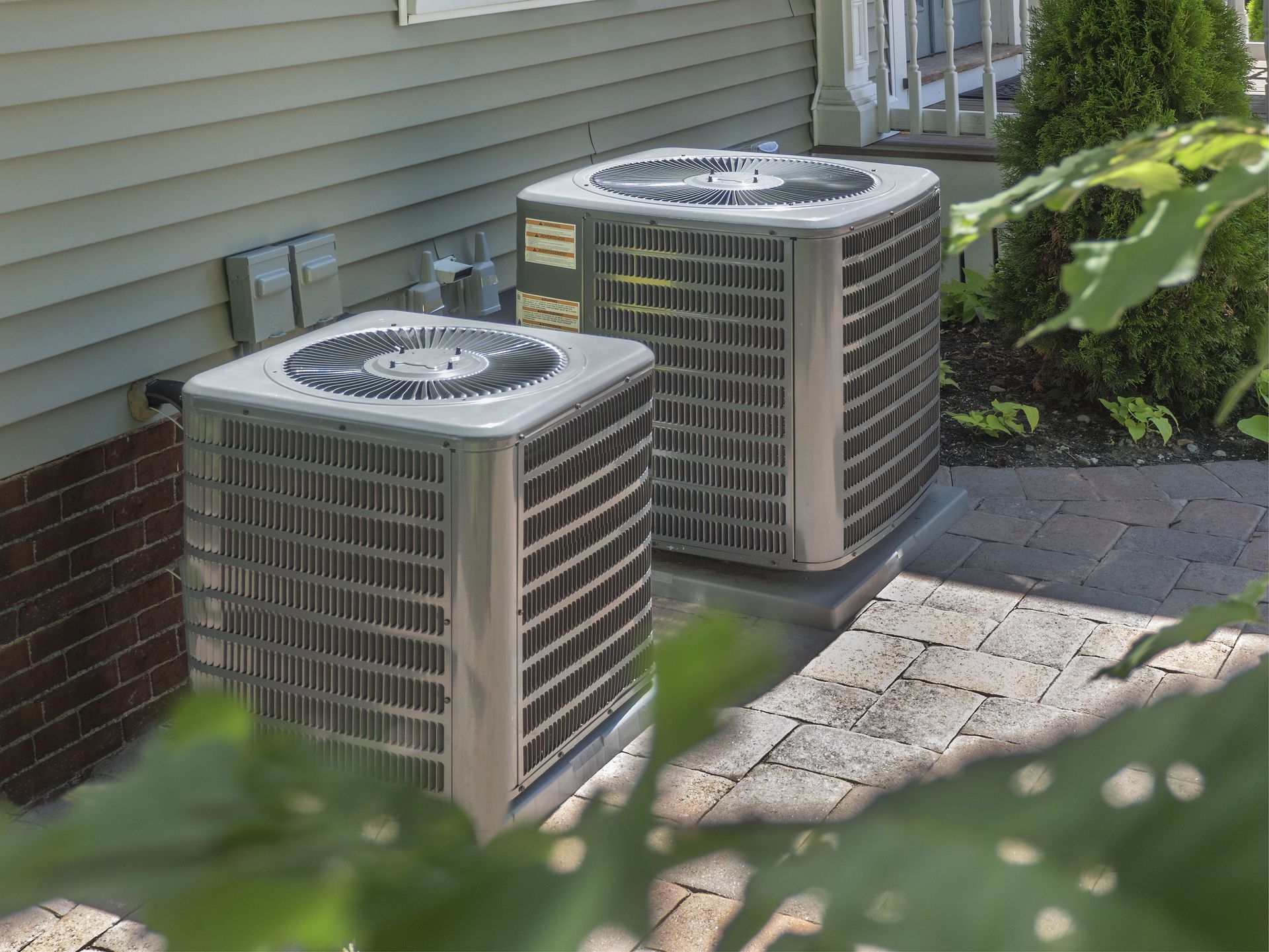
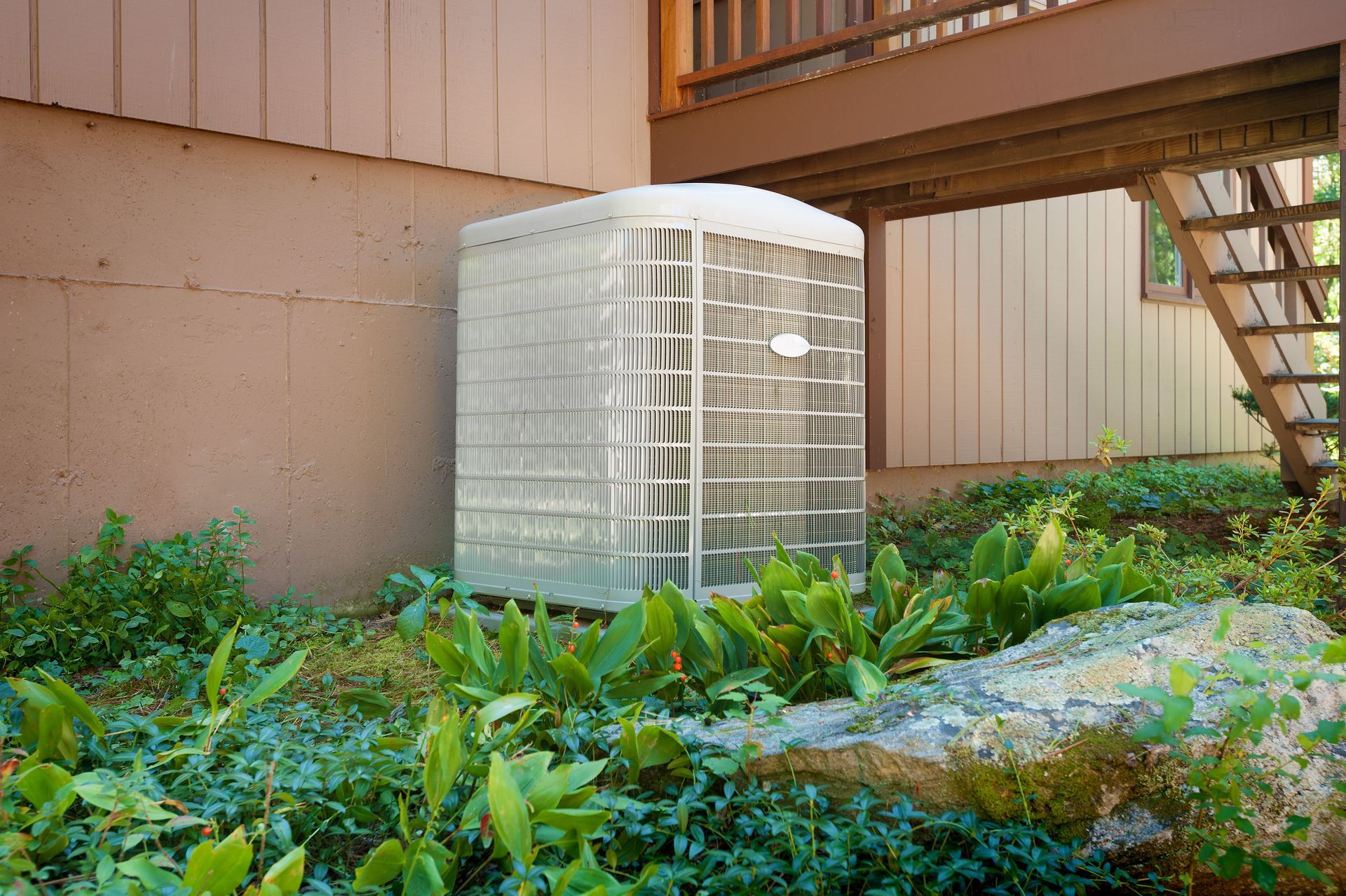
An HVAC system consists of various components that work together to deliver both heating and cooling. These components typically include furnaces, air conditioners, heat pumps, ductwork, and thermostats. Each part plays a vital role in the system's overall operation, requiring regular attention to function properly. Understanding these components allows for more effective troubleshooting and maintenance. A well-maintained system ensures optimal performance and enhances the overall efficiency of the HVAC unit.
HVAC systems regulate temperature by circulating air and either heating or cooling it as it passes through the system. This process also involves the removal of humidity and filtration of air particles to maintain a comfortable indoor environment. The thermostat acts as the control center, allowing homeowners to set and adjust temperature preferences. The system's ability to provide consistent temperature control depends greatly on the condition of its components. Regular maintenance ensures these components work together efficiently to maintain the desired climate within your home.
HVAC systems are among the most significant energy consumers in residential settings, accounting for nearly half of the energy used in a typical U.S. home. Their efficiency can significantly affect utility bills and environmental impact. According to Homes and Gardens, HVAC systems should be serviced twice per year. Once before summer and once before winter is traditionally ideal. Proper maintenance prevents energy waste, reduces costs, and promotes sustainability in energy consumption. Consequently, this supports a lower carbon footprint for environmentally-conscious homeowners.
Benefits of Regular HVAC Maintenance
Regular HVAC maintenance is key to improving energy efficiency in homes. Minor issues, such as clogged filters or failing components, when left unchecked, can lead to the system running longer and harder than necessary. This excess strain reduces efficiency and increases energy consumption. Frequent maintenance helps identify and rectify these issues early, ensuring the system operates at peak efficiency. As a result, homeowners can enjoy reduced utility bills and a more sustainable use of energy.
Clean and efficient HVAC systems contribute significantly to enhanced indoor air quality. Accumulation of dust, debris, and other pollutants can block filters and ductwork, leading to poor air circulation and potentially harmful health effects. Routine maintenance ensures that filters are changed and air passages are unobstructed, keeping the air in your home fresh and clean. This proactive approach helps prevent allergens and irritants, thereby maintaining a healthier indoor environment. Ultimately, regular care of the HVAC system is essential for sustaining high air quality standards in the home.
Routine maintenance plays a vital role in extending the lifespan of an HVAC system. Like any mechanical system, HVAC units experience wear and tear from regular use that can be minimized with proper care. Consistent check-ups allow for timely repairs and part replacements, helping to avoid major breakdowns. Over time, this proactive attention can significantly prolong the life of the system, providing optimal comfort for a longer period. Investing in semi-annual professional upkeep, as recommended, contributes to preserving the functionality and reliability of the HVAC system.
One of the foremost advantages of regular HVAC maintenance is the reduced risk of unexpected breakdowns. Regular inspections enable early detection of potential problems that could lead to system failure. This prevention-oriented approach minimizes the likelihood of costly emergency repairs during peak usage seasons. Breakdowns can be particularly inconvenient and uncomfortable, leaving homeowners without heating or cooling when they need it most. With regular professional servicing twice a year, as suggested by industry experts, these risks are significantly mitigated.
Common Issues Prevented by HVAC Maintenance
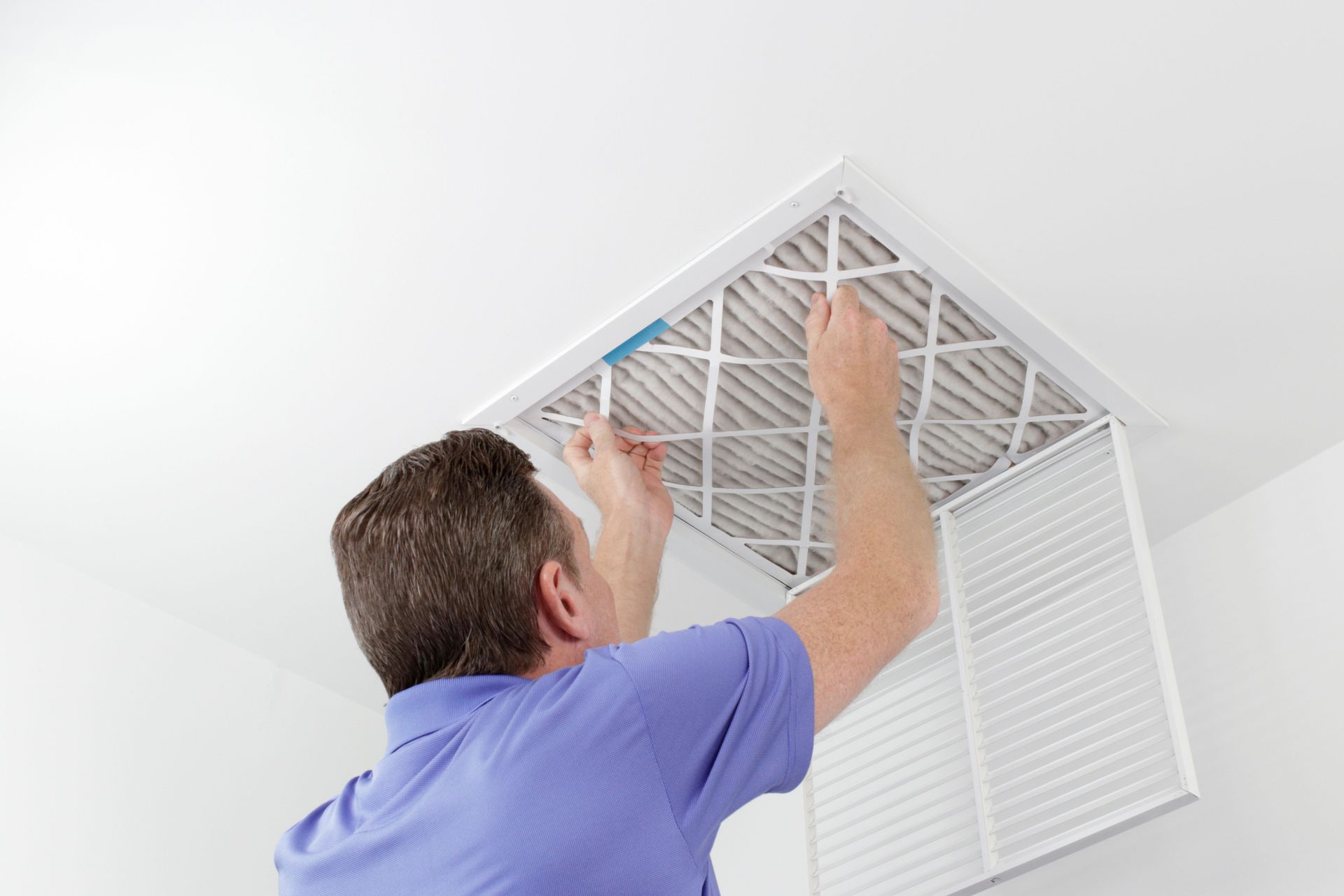
Clogged filters are a common issue that can be easily prevented with routine HVAC maintenance. Filters capture dust, pollen, and other airborne particles, keeping them from circulating throughout the home. Over time, these filters become clogged, restricting airflow and causing the system to work harder than necessary. Not only does this reduce system efficiency, but it can also lead to overheating and breakdowns. Regular cleaning and replacement of filters maintain optimal airflow and ensure the system operates smoothly and efficiently.
Issues with thermostat calibration can cause inconsistent temperature regulation and discomfort in the home. If a thermostat is not accurately calibrated, it can misread the home's temperature, leading to inefficient heating or cooling cycles. This can increase energy consumption and reduce the overall effectiveness of the HVAC system. During regular maintenance, technicians can calibrate the thermostat to ensure precise temperature control and system efficiency. Proper thermostat function is essential for maintaining comfort and energy savings within the home.
Refrigerant leaks are a serious issue that can affect the performance of an HVAC system and pose safety risks. A system low on refrigerant can't effectively cool the home, leading to longer cooling cycles and increased energy costs. Furthermore, refrigerant leaks can result in environmental harm if not addressed. Regular HVAC maintenance includes checking refrigerant levels to prevent leaks and ensure the system operates efficiently. Addressing refrigerant issues early helps in maintaining system performance and avoiding costly repairs.
Steps Involved in Regular HVAC Maintenance
The first step in regular
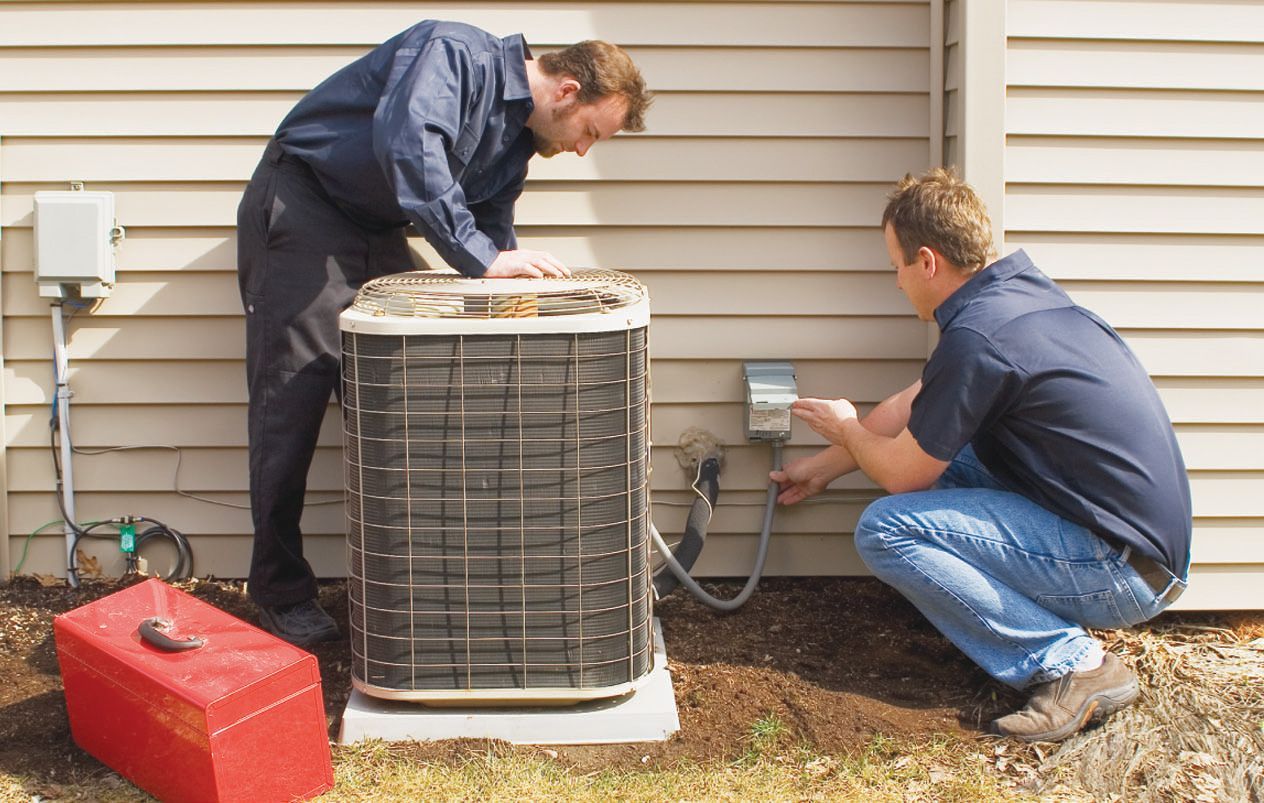
HVAC maintenance is the comprehensive inspection of system components. This involves checking the condition of the furnace, air conditioner, heat pump, and all associated parts to identify signs of wear or potential problems. Technicians will assess the overall integrity and performance of these components, ensuring they are in good working order. Early detection of issues during inspection allows for timely interventions and repairs. Regular systematic inspections are essential in sustaining the resilience and efficiency of the HVAC system.
Cleaning and replacing filters is a crucial maintenance task to ensure proper HVAC operation. Filters trap airborne particles and debris, improving indoor air quality and protecting the system. Over time, these filters can become saturated and inefficient, necessitating routine cleaning or replacement for optimal airflow. Homeowners are often advised to attend to filters every one to three months depending on usage and air quality conditions. This simple yet vital step helps maintain system efficiency and reduces energy expenditure.
Maintaining appropriate refrigerant levels is essential for effective HVAC performance. Low refrigerant levels can indicate leaks or system inefficiencies, leading to reduced cooling capacity and increased operational costs. During routine maintenance, technicians will measure and adjust refrigerant levels to ensure the system functions optimally. This process involves checking for leaks and charging the system if necessary to restore balance. Proper refrigerant management contributes to system efficiency, longevity, and environmentally responsible operation.
Regular HVAC maintenance is not just a recommendation; it is a necessity for homeowners who wish to maintain comfort, efficiency, and cost-effectiveness in their homes. By understanding the essentials of HVAC maintenance, recognizing common issues, and knowing when to call in professionals, homeowners can ensure their systems remain in peak condition year-round, ultimately leading to substantial energy and financial savings. The commitment to routine care is a proactive investment in sustaining home comfort and system health. Engaging knowledgeable professionals for scheduled maintenance, while performing suitable homeowner tasks, contributes to prolonged HVAC efficiency and reliability. Contact Crome Mechanical Heating & Cooling today for more information.