Heating, ventilation, and air conditioning (HVAC) systems are vital in maintaining comfortable living and working environments. However, without proper care and efficient use, these systems can significantly impact your utility bills. Expert guidance from HVAC companies can help you save money by optimizing system efficiency and managing energy consumption effectively. In this article, we will explore these various ways HVAC companies can help reduce costs while maintaining optimal comfort.
1. Energy-Efficient Equipment Recommendations
1.1 Understanding Energy Star Ratings
HVAC companies understand the importance of energy-efficient systems and often recommend equipment with Energy Star ratings. These ratings are provided by the U.S. Environmental Protection Agency to indicate which devices meet higher energy efficiency guidelines. Choosing Energy Star-rated HVAC units can lead to substantial savings on energy bills while also reducing environmental impacts. HVAC experts can help homeowners understand these ratings and how they translate to operational efficiency and cost savings. Such decisions play a critical role in reducing carbon footprints and household utility costs.
1.2 Choosing the Right HVAC System Size
One of the critical aspects of optimizing an HVAC system is ensuring that it is appropriately sized for your home or office. An HVAC system that is too large or too small can result in inefficiencies, leading to excessive energy consumption and increased bills. HVAC companies use advanced metrics and calculations to determine the most suitable size for a unit. They consider various factors such as room size, window area, insulation quality, and climate. Properly sized systems operate efficiently, maintaining indoor comfort without unnecessary energy waste.
1.3 Advanced Technology Options
Modern advancements in HVAC technology offer options that were not available in the past. HVAC companies stay updated with these developments, offering insights into advanced technologies that can enhance energy efficiency. Innovations such as variable-speed blowers and smart thermostats are game-changers in achieving energy savings. With expert guidance, homeowners can integrate these technologies to optimize heating and cooling, which translates into lower energy bills. By adopting newer technologies, HVAC systems operate more efficiently and extend their operational lifespan.
1.4 Comparing Long-Term Cost Benefits
When considering an HVAC investment, it's crucial to evaluate long-term cost benefits rather than initial expenses alone. High-efficiency equipment may seem more expensive upfront, but HVAC professionals can illustrate how these systems save money over time. They provide comparative data showing the reduced energy consumption and lower repair costs associated with energy-efficient systems. Moreover, potential savings on utilities and prolonged equipment lifespan further substantiate that these investments are cost-effective. Understanding the broader financial implications can help homeowners make informed decisions to save money in the long run.
1.5 Incentives and Rebates for Energy Efficiency
Many homeowners are unaware of the incentives and rebates available for upgrading to energy-efficient HVAC systems. HVAC companies often have inside knowledge on the latest programs offered by government agencies and utility companies. These incentives reduce the initial cost of installation and make efficient systems more accessible to consumers. By taking advantage of such programs, homeowners can reduce upfront costs while enjoying lower energy bills. HVAC experts assist in identifying and applying for these rebates, thus facilitating financial savings on HVAC investments.
2. Preventative Maintenance Programs
2.1 Regular System Inspections
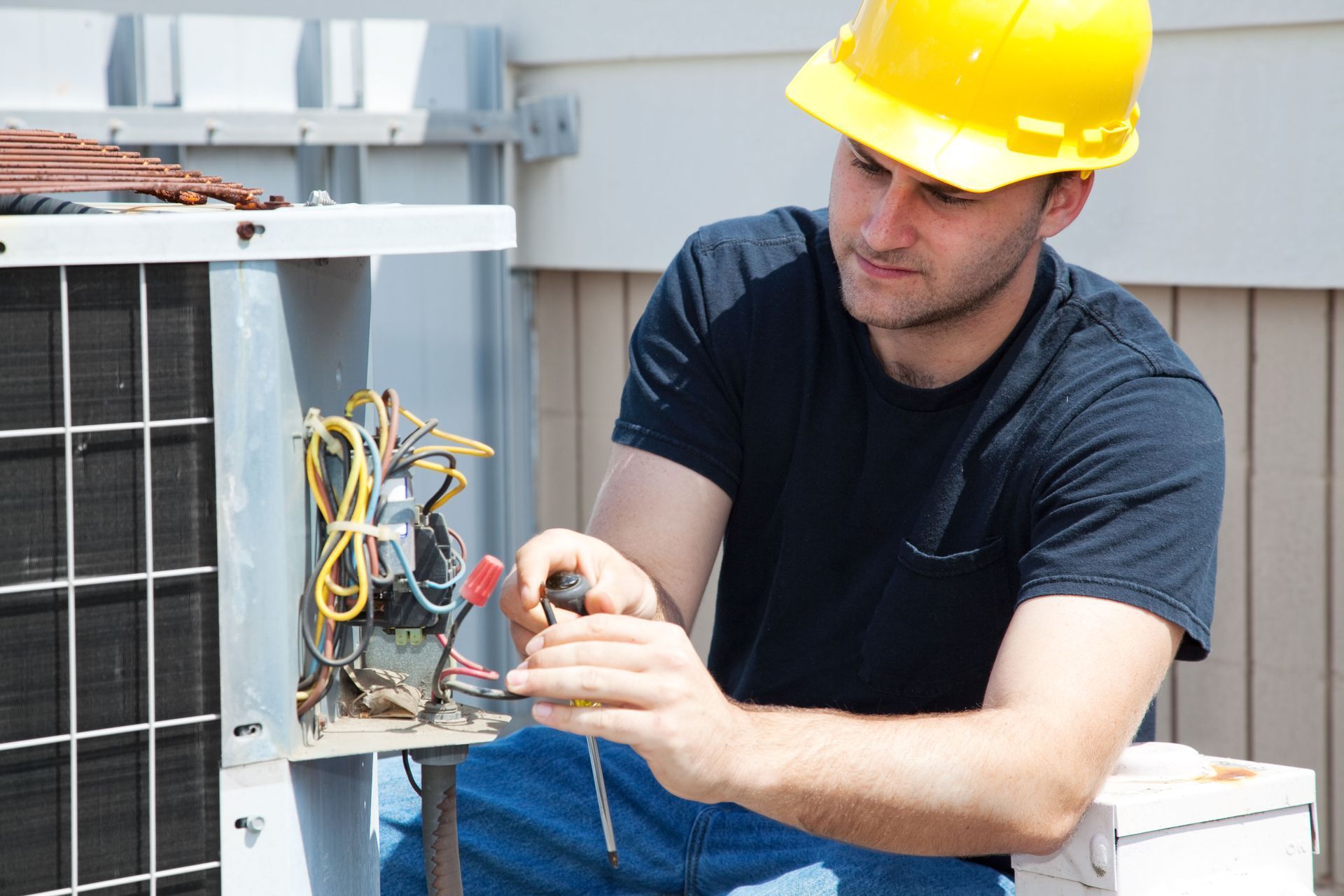
Routine inspections are integral to maintaining the efficiency and lifespan of HVAC systems. HVAC companies offer regular inspection services to identify potential issues before they escalate. These inspections include checking critical components, lubricating moving parts, and ensuring optimal operation. By detecting issues early, costly repairs and unexpected breakdowns can be minimized. Regular inspections not only improve system performance but also help in managing energy consumption and associated costs efficiently.
2.2 Seasonal Tune-Ups
Seasonal tune-ups prepare HVAC systems to handle changing weather conditions efficiently. HVAC companies recommend and offer comprehensive tune-up services to maintain optimal performance across seasons. These services involve checking refrigerant levels, cleaning filters, and calibrating thermostats. As a result, energy efficiency is enhanced, and the risk of system failures is reduced during peak usage times. Regular tune-ups ensure that HVAC systems operate effectively throughout the year, contributing to lower energy bills.
2.3 Cleaning and Servicing Components
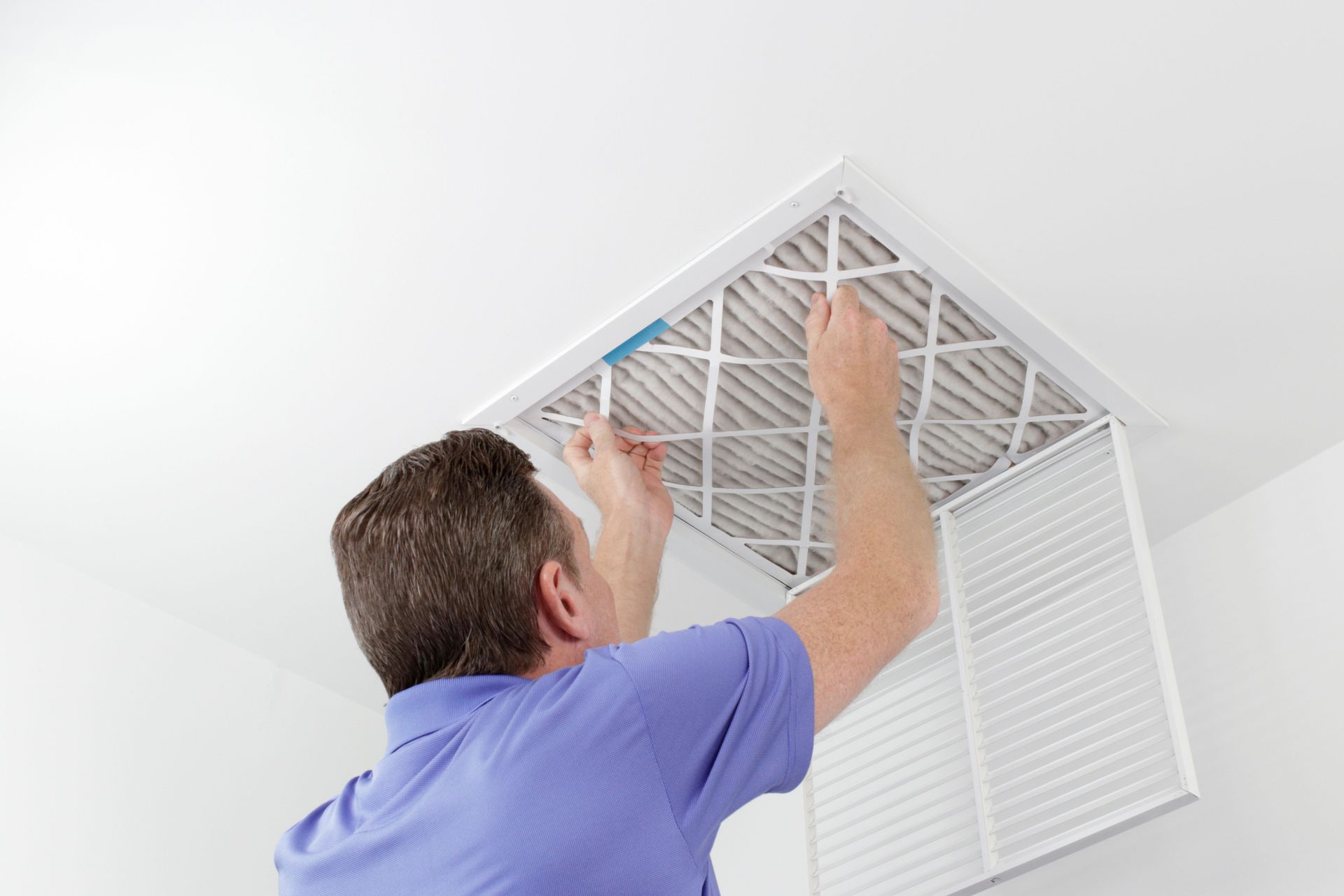
HVAC systems consist of various components that require regular cleaning and servicing to operate efficiently. Over time, dust, debris, and other particles accumulate in filters and ducts, compromising airflow and system efficiency. HVAC professionals provide specialized cleaning and servicing to remove these obstructions and restore optimal performance. Well-maintained systems use less energy, providing consistent indoor comfort at reduced costs. Routine servicing can prevent system failures and prolong equipment life.
2.4 Detecting and Fixing Small Issues Early
Minor issues in HVAC systems, if left unattended, can escalate into major, costly repairs. HVAC companies have the expertise to detect and address small problems before they develop into significant concerns. Regular maintenance visits include checking for leaks, equipment wear, and unusual noises. Addressing these issues early prevents system breakdowns and prolongs equipment life, saving homeowners from expensive repairs. An efficient and well-maintained system requires less energy and operates more effectively.
2.5 Maximizing System Lifespan
Extending the lifespan of HVAC systems is a critical factor in minimizing replacement and operational costs. Through professional maintenance services, HVAC companies can significantly increase the durability and longevity of these systems. Regular care reduces wear and tear on components, preventing premature failure and unnecessary replacements. This proactive approach translates to cost savings and reliable, efficient performance over an extended period. By committing to routine maintenance, homeowners ensure their systems remain in top condition for as long as possible.
3. Smart Thermostat Integration
3.1 Benefits of Smart Thermostats
Smart thermostats have revolutionized the way homeowners manage energy consumption. These devices provide intuitive controls and insights into home heating and cooling patterns. HVAC professionals can guide the installation and integration of smart thermostats to maximize their benefits. With features such as remote access, learning capabilities, and energy tracking, smart thermostats optimize indoor comfort while minimizing energy usage. Homeowners experience reduced utility bills and enhanced convenience through precise temperature control. According to This Old House, replacing aging windows can help reduce your heating and cooling bills by up to $200 annually.
3.2 Installation and Setup Guidance
The successful integration of smart thermostats requires proper installation and configuration. HVAC companies provide valuable assistance in setting up these devices to ensure they operate as intended. Experts handle installations, wiring configurations, and software updates for optimal performance. By leveraging professional knowledge, homeowners can avoid common setup mistakes that could impair energy efficiency. Effective installation of smart thermostats leads to better regulation of indoor temperatures and reduced energy consumption.
3.3 Energy Use Tracking and Trends
One of the standout features of smart thermostats is their ability to track and report energy usage trends. With insights into consumption patterns, homeowners can adjust settings to achieve better energy efficiency. HVAC professionals help in interpreting these trends, offering strategies to optimize usage based on daily schedules and occupancy. By fine-tuning thermostats based on real-time data, homeowners can significantly reduce their energy bills. Access to detailed reports allows consumers to understand and control their energy consumption more effectively.
3.4 Remote Access Features
Smart thermostats offer remote access capabilities that enhance convenience and energy management. Through mobile apps or web portals, homeowners can control settings from anywhere at any time. This allows for real-time adjustments to accommodate changing needs or unexpected schedules. HVAC experts assist in setting up these features, ensuring homeowners make full use of remote management capabilities. Remote access not only enhances convenience but also contributes to energy savings by reducing unnecessary heating or cooling costs.
HVAC companies offer a wide range of services that can significantly contribute to cost savings. From recommending energy-efficient equipment to providing emergency repair services, their expertise ensures that your HVAC system runs efficiently, effectively reducing your energy consumption and long-term expenses. By leveraging the knowledge and services of HVAC professionals, you can enjoy a comfortable environment while keeping your budget in check. If you're looking for reliable HVAC companies, make sure to contact Crome Mechanical Heating & Cooling today!