By Todd Hurst
January 14, 2026
HVAC systems are essential for maintaining comfortable indoor climates in both residential and commercial buildings. They regulate temperature, humidity, and air quality, ensuring that spaces remain safe and enjoyable throughout the year. Despite their importance, HVAC systems are prone to breakdowns if not properly maintained, resulting in costly repairs, inefficient performance, and uncomfortable living or working conditions. Understanding the common causes of these failures and how to prevent them is crucial for homeowners and facility managers alike.
Regular HVAC maintenance is the key to extending system life, reducing energy costs, and avoiding unexpected downtime. From routine inspections to timely repairs, proactive care helps identify small issues before they escalate into major problems. By recognizing the factors that contribute to system failures and implementing preventive strategies, property owners can ensure reliable performance, improve indoor air quality, and maximize the overall efficiency of their HVAC systems.
1. Lack of Regular Maintenance
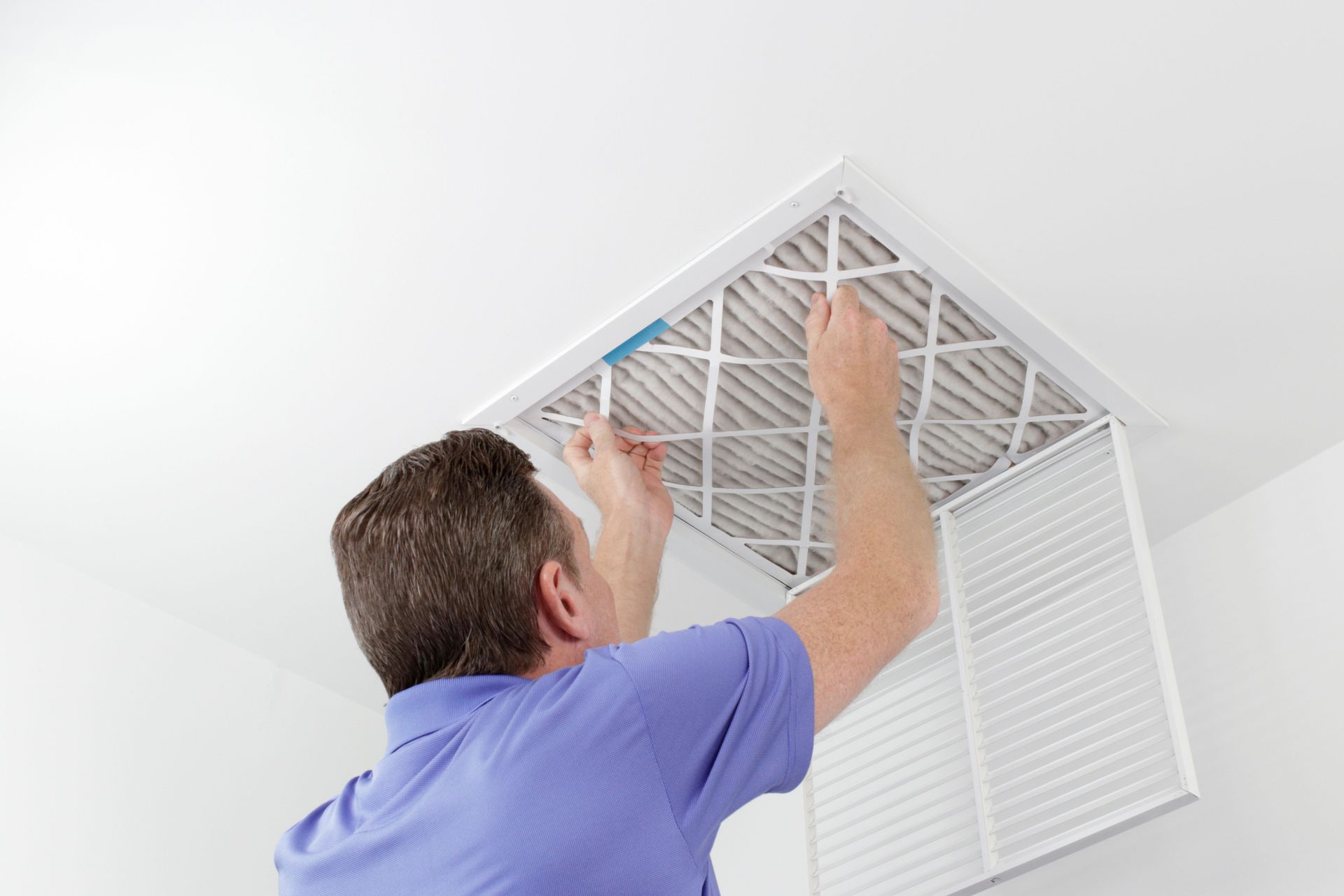
Scheduled inspections are essential for maintaining the health of an HVAC system. Regular check-ups can identify potential issues before they become significant problems. By addressing minor malfunctions early on, homeowners can avoid more severe breakdowns and reduce repair costs. Consistent HVAC maintenance also ensures that systems operate efficiently, thus saving on energy bills. Furthermore, routine inspections help maintain manufacturer warranties and support the overall longevity of the equipment. Dirty filters, a common result of neglected maintenance, can restrict airflow, reduce efficiency, and compromise indoor air quality. Replacing filters every 1-3 months and cleaning coils annually prevents system strain and ensures optimal performance. According to This Old House, proper HVAC maintenance can help systems last up to 20 years. Regular attention to these details safeguards the investment and maximizes system reliability.
In addition to inspections and filter changes, monitoring refrigerant levels is a critical aspect of HVAC maintenance. Low refrigerant can indicate leaks, which reduce cooling efficiency and force the system to work harder, potentially causing damage to components. Ensuring refrigerant levels are properly maintained by a certified technician helps the system operate at peak performance while preventing costly repairs. Regular checks, combined with cleaning and part inspections, create a comprehensive maintenance routine that supports both energy efficiency and long-term system reliability.
2. Electrical Issues
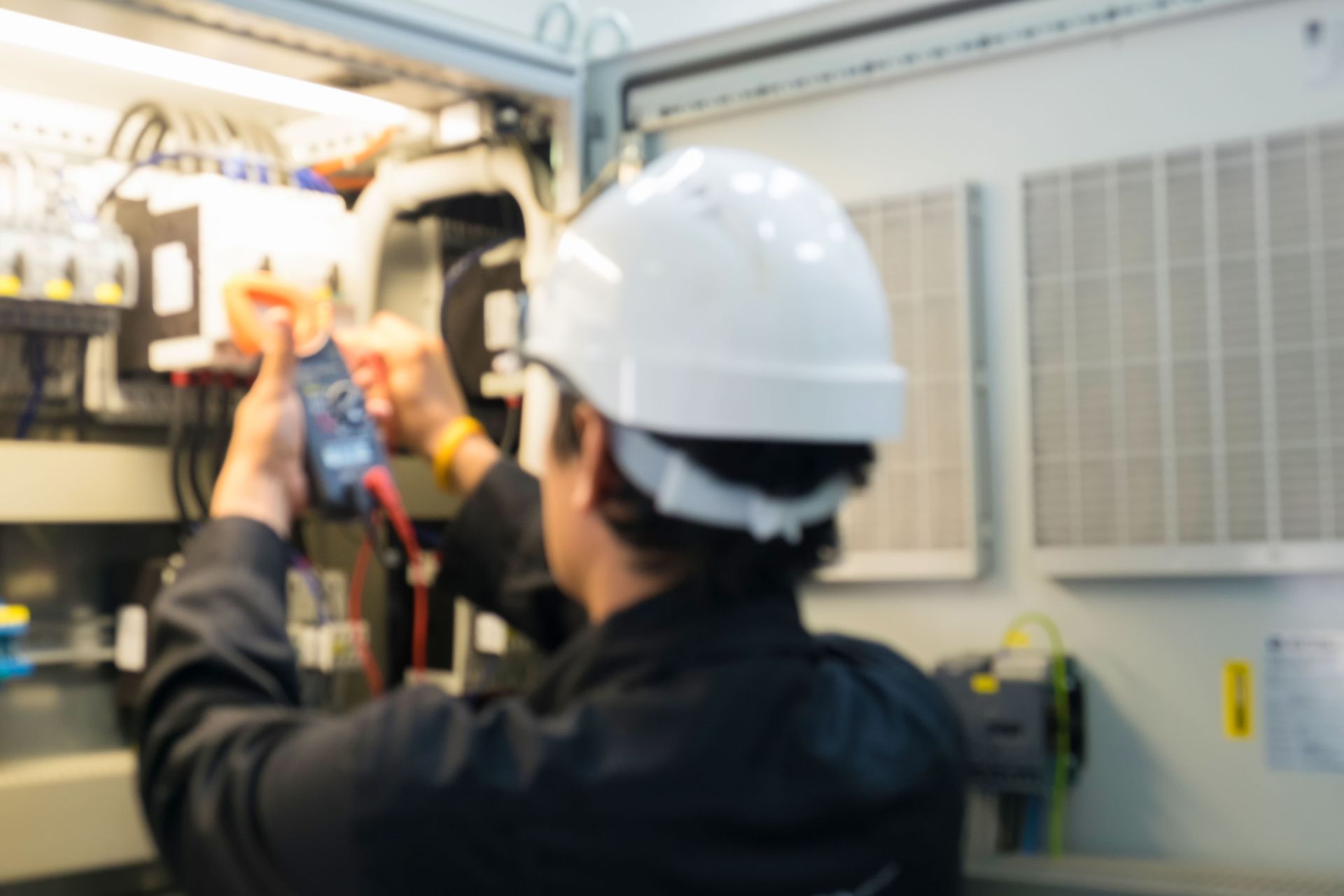
Electrical problems are a frequent cause of HVAC system breakdowns. Faulty wiring, capacitor failures, and worn-out relays can result in inconsistent performance or complete system failure. Over time, electrical components degrade due to normal wear and exposure to environmental conditions. Signs of electrical issues include irregular heating or cooling, tripped circuit breakers, unusual noises, or burning smells near the unit. Ignoring these warning signs can lead to serious damage or safety hazards. Ensuring proper wiring, connections, and timely professional inspections is crucial. Hiring a licensed electrician for HVAC electrical work guarantees safety, accuracy, and long-term system reliability. Properly maintained electrical systems reduce energy waste, prevent fire risks, and contribute to the overall efficiency of HVAC systems.
Regularly testing and maintaining the system’s electrical components also helps prevent unexpected downtime and extends the life of the HVAC equipment. Simple measures, such as tightening loose connections, inspecting circuit boards, and replacing worn fuses, can mitigate minor issues before they escalate into major failures. Additionally, integrating surge protection can safeguard sensitive components from voltage spikes, further enhancing system longevity. Combining these proactive steps with professional inspections ensures that electrical issues are managed effectively, supporting safe, efficient, and reliable HVAC operation.
3. Thermostat Malfunctions
The thermostat regulates temperature settings, ensuring comfortable indoor environments. Malfunctions can cause inaccurate readings, inefficient operation, and increased wear on HVAC components. Symptoms of thermostat problems include fluctuating temperatures, non-responsive units, or faulty displays. Proper calibration and sensor accuracy are critical for reliable performance, while upgrades to smart thermostats provide advanced control, remote operation, and energy-saving features. Regular HVAC maintenance should include thermostat checks, battery replacements, and sensor cleaning. By maintaining the thermostat, homeowners ensure consistent comfort, improved energy efficiency, and extended system life, preventing small problems from escalating into larger HVAC issues.
In addition, integrating a programmable or smart thermostat into routine HVAC maintenance allows homeowners to optimize system usage based on daily schedules and seasonal changes. These devices can automatically adjust heating and cooling cycles to reduce energy consumption during peak hours while maintaining comfort when needed. Monitoring energy reports from smart thermostats also helps identify inefficiencies or unusual usage patterns that may signal emerging system problems. By combining routine checks with advanced thermostat technology, homeowners can achieve greater control over indoor climate, lower utility costs, and enhance the overall longevity of their HVAC systems.
4. Clogged Drains and Pipes
Clogged drains in an HVAC system often result from dirt, debris, algae, or microbial buildup in the condensate pan. Obstructions can lead to water leakage, damage to internal components, and compromised system performance. Common indicators include standing water, water damage on floors or walls, musty odors, and inconsistent heating or cooling. Routine cleaning techniques, such as flushing lines with water and vinegar or using a wet/dry vacuum, prevent buildup and maintain proper drainage. Installing a float switch to detect water backup further protects the system. Regular HVAC maintenance and professional inspections ensure that drain lines remain clear, reducing the risk of costly damage and supporting long-term system reliability.
5. Mechanical Wear and Tear
Mechanical components like belts, bearings, and motors are prone to wear over time, especially under continuous operation. Without proper attention, this wear leads to inefficiencies, malfunctions, and potential breakdowns. Regular lubrication reduces friction and extends the lifespan of moving parts. Additionally, monitoring the condition of these components helps determine whether repair or replacement is necessary. Addressing wear early prevents more extensive damage, improves energy efficiency, and prolongs the overall life of the HVAC system. According to This Old House, consistent HVAC maintenance, including attention to mechanical components, can ensure systems last up to two decades while performing at peak efficiency.
6. Poor Installation Practices
Improper installation is a significant factor in HVAC system failures. Poorly installed units may have inadequate airflow, inefficient operation, and increased stress on components, resulting in premature wear. Signs of faulty installation include uneven temperature distribution, frequent breakdowns, unusual noises, and misaligned components. Selecting qualified professionals for installation ensures adherence to manufacturer guidelines, preserves warranties, and reduces the risk of future problems. Correcting installation issues promptly improves system efficiency, reliability, and longevity. Proper planning, system sizing, and professional expertise are critical to achieving optimal performance and energy savings from HVAC equipment.
7. Extending System Longevity Through Preventive Care
Proactive care is key to avoiding breakdowns and maximizing HVAC efficiency. Implementing routine HVAC maintenance tasks, such as filter changes, coil cleaning, thermostat calibration, drain inspections, and mechanical lubrication, can prevent many common issues. Scheduling annual professional inspections ensures emerging problems are detected and resolved early. According to This Old House, well-maintained systems not only operate more efficiently but also last significantly longer. Preventive measures reduce repair costs, enhance comfort, and support energy savings. By committing to consistent HVAC maintenance, homeowners protect their investment and ensure reliable performance year-round.
Understanding the common causes of HVAC system breakdowns and implementing preventive measures is essential for reliable operation and energy efficiency. Routine HVAC maintenance, including inspections, cleaning, lubrication, and professional assessments, prevents small problems from escalating into costly repairs. Electrical, mechanical, and thermostat issues, as well as clogged drains and poor installation, can all be mitigated through proactive care. According to This Old House, consistent maintenance can extend system life up to 20 years. For expert HVAC maintenance, repairs, and installation, contact Crome Mechanical Heating & Cooling to ensure your system operates safely and efficiently throughout the year.