By Todd Hurst
November 23, 2026
Persistent workplace odors can make an office, retail space, or commercial property uncomfortable for employees and visitors. While air fresheners may temporarily mask unpleasant smells, they rarely address the underlying problem. Commercial HVAC companies investigate how ventilation, ductwork, filtration, and humidity contribute to indoor odors so building owners can pursue solutions that improve long-term air quality.
Identifying the Source of Persistent Workplace Odors
Before recommending a solution, HVAC professionals must determine the source of unpleasant odors. Different smells can indicate different problems, making it important to investigate rather than simply introduce fragrances into the environment.
Common sources of workplace odors include:
- Accumulated Dust and Debris: Dust, dirt, and other debris can collect in air ducts and HVAC equipment, contributing to stale or unpleasant odors.
- Excess Moisture: High indoor humidity can promote mold and mildew growth, leading to persistent musty odors.
- Poor Ventilation: Inadequate airflow allows odors from cooking, cleaning products, office equipment, and other activities to linger.
- Dirty Air Filters: Clogged filters can restrict airflow and allow airborne particles to circulate throughout a building.
- Contaminated Ductwork: Organic debris and other accumulated contaminants inside ductwork can contribute to unpleasant indoor air conditions.
Commercial HVAC companies typically begin by discussing when and where employees notice the odors. Determining whether a smell occurs throughout the building or in specific rooms helps narrow down potential causes. This initial investigation also helps technicians determine which parts of the HVAC system require closer attention.
Evaluating Ventilation and Airflow Conditions
Ventilation plays an important role in maintaining comfortable indoor environments. When fresh air does not circulate adequately, odors can accumulate and become more noticeable throughout the workday. Commercial HVAC companies evaluate ventilation conditions to determine whether the existing system provides appropriate airflow.
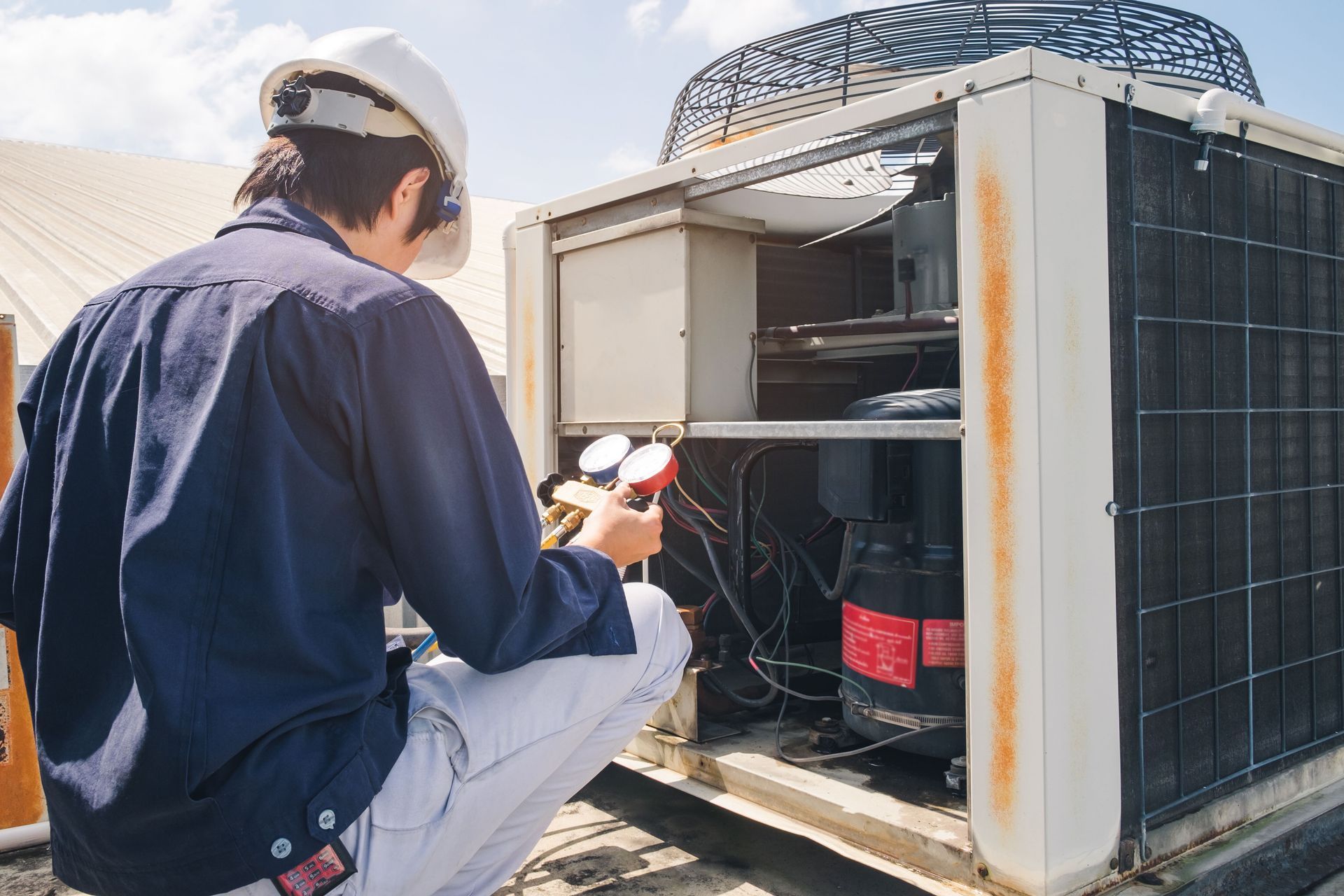
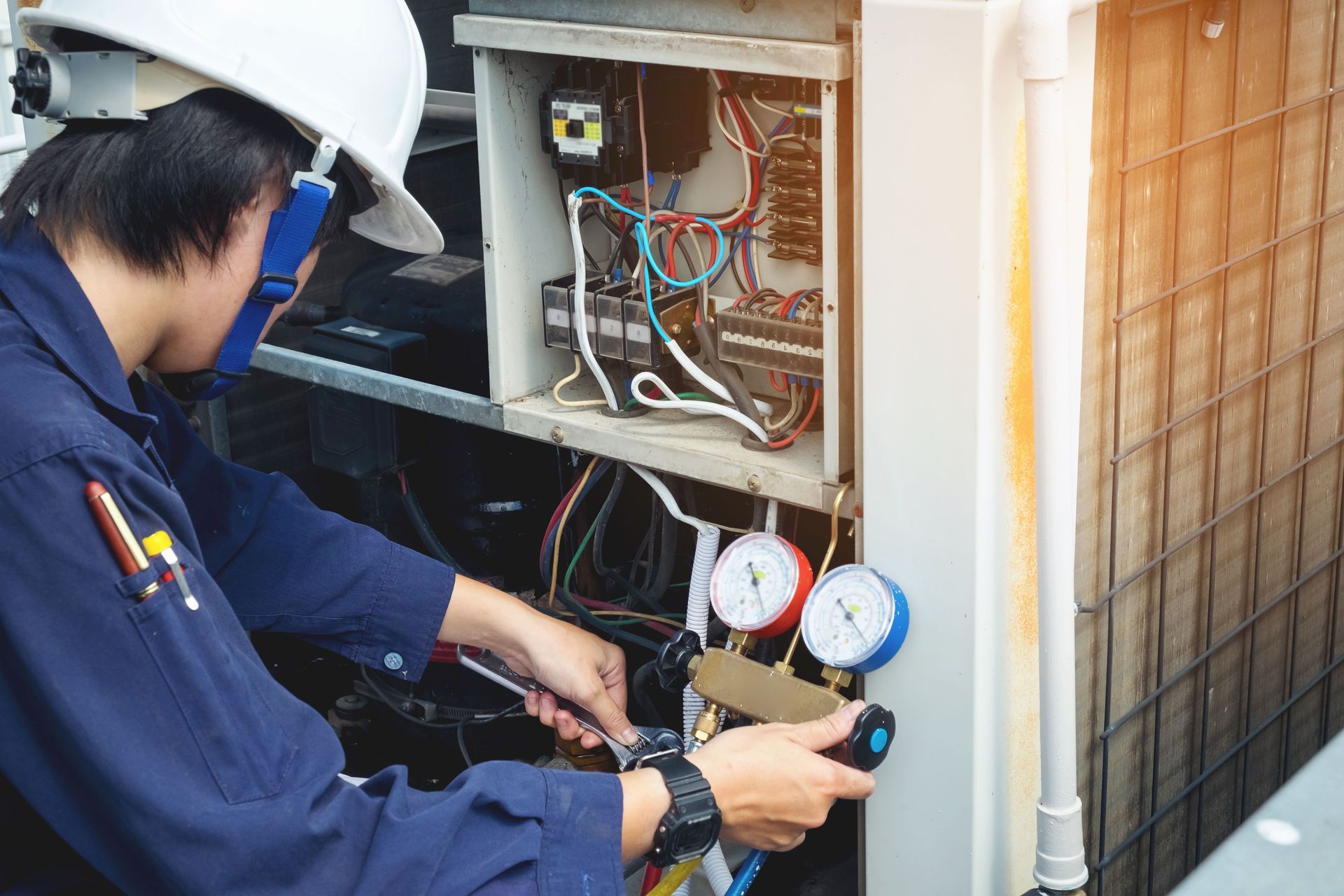
Technicians may examine air ducts, ventilation equipment, and system performance to identify potential restrictions or other problems. Damaged ductwork, disconnected sections, and poorly designed airflow pathways can prevent air from reaching certain areas effectively.
An HVAC system evaluation can also help identify conditions that affect overall performance. If airflow is inconsistent, some rooms may experience stagnant air while others receive adequate circulation. Correcting ductwork problems and addressing ventilation deficiencies can help improve air distribution.
According to Jobber, the global HVAC system market is expected to grow at an annual rate of 7.4% between 2024 and 2030. This projected expansion reflects increasing demand for heating, cooling, and ventilation solutions, including systems that support comfortable indoor environments. As building owners continue prioritizing indoor conditions, properly functioning ventilation equipment remains an important consideration.
Cleaning Ductwork to Remove Accumulated Contaminants
Air ducts distribute conditioned air throughout a building, but dust and other debris can accumulate inside these passages over time. When contaminants collect in ductwork, they may contribute to unpleasant odors and reduce overall indoor air quality.
Commercial HVAC companies may recommend professional duct cleaning when inspections indicate that accumulated debris is contributing to an odor problem. This process uses specialized equipment to remove dust, allergens, and other contaminants from accessible ductwork.
Cleaning can be particularly beneficial when a building has undergone construction or renovation, or has experienced prolonged periods without duct maintenance. However, duct cleaning is not automatically necessary whenever an unpleasant smell develops. Technicians should first determine whether the ductwork is actually contributing to the problem.
Damaged or disconnected ducts may also require attention. Air duct repairs address issues such as leaks, separations, and poor insulation that can affect system efficiency and indoor air conditions. Properly maintained ductwork supports more consistent airflow and helps prevent avoidable ventilation problems.
Improving Air Quality With Appropriate Filtration
Air filtration is another important consideration when addressing persistent workplace odors. Standard HVAC filters capture airborne particles, including dust, pollen, and other contaminants. However, not all filters provide the same level of filtration, and some odors require additional treatment.
Commercial HVAC companies can evaluate existing filtration equipment and determine whether an upgraded system would better address the building's needs. Higher-efficiency filters may capture smaller airborne particles, helping improve the cleanliness of circulated air.
Air purification systems can provide additional support. Depending on the technology used, these systems may help neutralize certain microorganisms, reduce odors, and address volatile organic compounds (VOCs). VOCs are gases released by certain products and materials, including paints, adhesives, cleaning supplies, and furnishings.
Choosing appropriate equipment requires understanding the contaminants involved. A filtration system designed primarily for dust removal may not effectively address gaseous pollutants or chemical odors. Matching the equipment to the specific air quality concern helps prevent unnecessary upgrades and improves the likelihood of achieving the desired results.
Controlling Humidity to Prevent Musty Odors
Excess indoor moisture is a common contributor to persistent musty smells. When humidity remains elevated, damp materials and poorly ventilated areas can create conditions that encourage mold and mildew growth. These odors may become especially noticeable in storage areas, restrooms, and other spaces with limited airflow.
Commercial HVAC companies evaluate humidity conditions to determine whether moisture control should be part of the solution. Dehumidification equipment can help maintain more appropriate indoor humidity levels, reducing conditions that contribute to musty odors.
However, lowering humidity does not eliminate existing mold growth or repair moisture damage. Building owners must also address leaks, standing water, and other sources of excess moisture. If mold is present, appropriate remediation may be necessary.
Maintaining balanced humidity throughout the building can also support occupant comfort. HVAC professionals can recommend equipment based on the property's layout, existing ventilation, and moisture conditions rather than relying on temporary odor-control products.
Maintaining HVAC Equipment to Prevent Recurring Odors
Even after an odor source has been identified and addressed, ongoing maintenance is important for preventing similar problems. Neglected equipment can accumulate contaminants, develop airflow restrictions, or experience performance issues that contribute to unpleasant indoor conditions.
Commercial HVAC companies may recommend regular inspections and maintenance to keep ventilation and air quality equipment operating properly. Property managers can also support these efforts by monitoring indoor conditions and reporting changes before minor issues become more disruptive.
Helpful maintenance practices include:
- Replacing air filters according to manufacturer recommendations.
- Scheduling professional air duct cleaning when accumulated debris warrants it.
- Inspecting ductwork for leaks, disconnections, and visible damage.
- Monitoring indoor humidity for signs of excessive moisture.
- Evaluating ventilation performance when occupants report recurring odors.
Consistent attention to these areas makes it easier to recognize developing problems and determine when professional service is necessary. Maintenance also helps preserve equipment efficiency and supports more reliable indoor air circulation.
Choosing HVAC Solutions for Lasting Odor Control
Resolving chronic workplace odors requires more than installing air fresheners or increasing ventilation without investigating the underlying issue. Commercial HVAC companies evaluate the building's conditions, identify potential sources, and recommend appropriate improvements based on the findings.
The right solution depends on the type of odor, the building's ventilation requirements, and the condition of its existing equipment. Some properties may benefit from duct cleaning or repairs, while others may require improved filtration, air purification, or humidity control. Addressing multiple contributing factors may be necessary when odors have several sources.
Working with experienced HVAC professionals also helps building owners avoid investing in equipment that does not address their specific concerns. A thorough evaluation provides a clearer understanding of the problem and helps establish an appropriate plan for improving indoor conditions.
Persistent workplace odors should not be ignored, especially when they affect employee comfort or indicate an underlying ventilation or moisture problem. For professional ventilation, air quality, duct cleaning, and HVAC solutions, contact Crome Mechanical Heating & Cooling to discuss your property's needs and schedule an estimate.