By Todd Hurst
November 22, 2026
When winter arrives, homeowners spend more time indoors with windows and doors closed to keep cold air outside. While this helps maintain comfortable temperatures, it can also allow dust, moisture, and other airborne pollutants to accumulate inside the home. Poor indoor air quality may contribute to respiratory irritation, unpleasant odors, and an uncomfortable living environment. Understanding how humidity, dust, and ventilation affect indoor air quality can help homeowners maintain a healthier home throughout the colder months.
Understanding How Winter Affects Indoor Air Quality
Cold weather can create several challenges for maintaining good indoor air quality. During winter, homes are typically sealed more tightly to prevent heat loss, reducing the amount of fresh outdoor air that enters living spaces. Without adequate ventilation, airborne particles and pollutants can accumulate over time.
According to the U.S. Environmental Protection Agency, indoor concentrations of many air pollutants can be two to five times greater than outdoor concentrations, with some occasionally exceeding outdoor levels by more than 100 times. This highlights the importance of paying attention to indoor air quality, particularly when homes remain closed up for extended periods.
Common indoor air pollutants include:
- Dust, pollen, and pet dander
- Mold spores and other biological contaminants
- Volatile organic compounds (VOCs) from household products and furnishings
- Smoke and combustion byproducts
- Particles released during cooking and cleaning
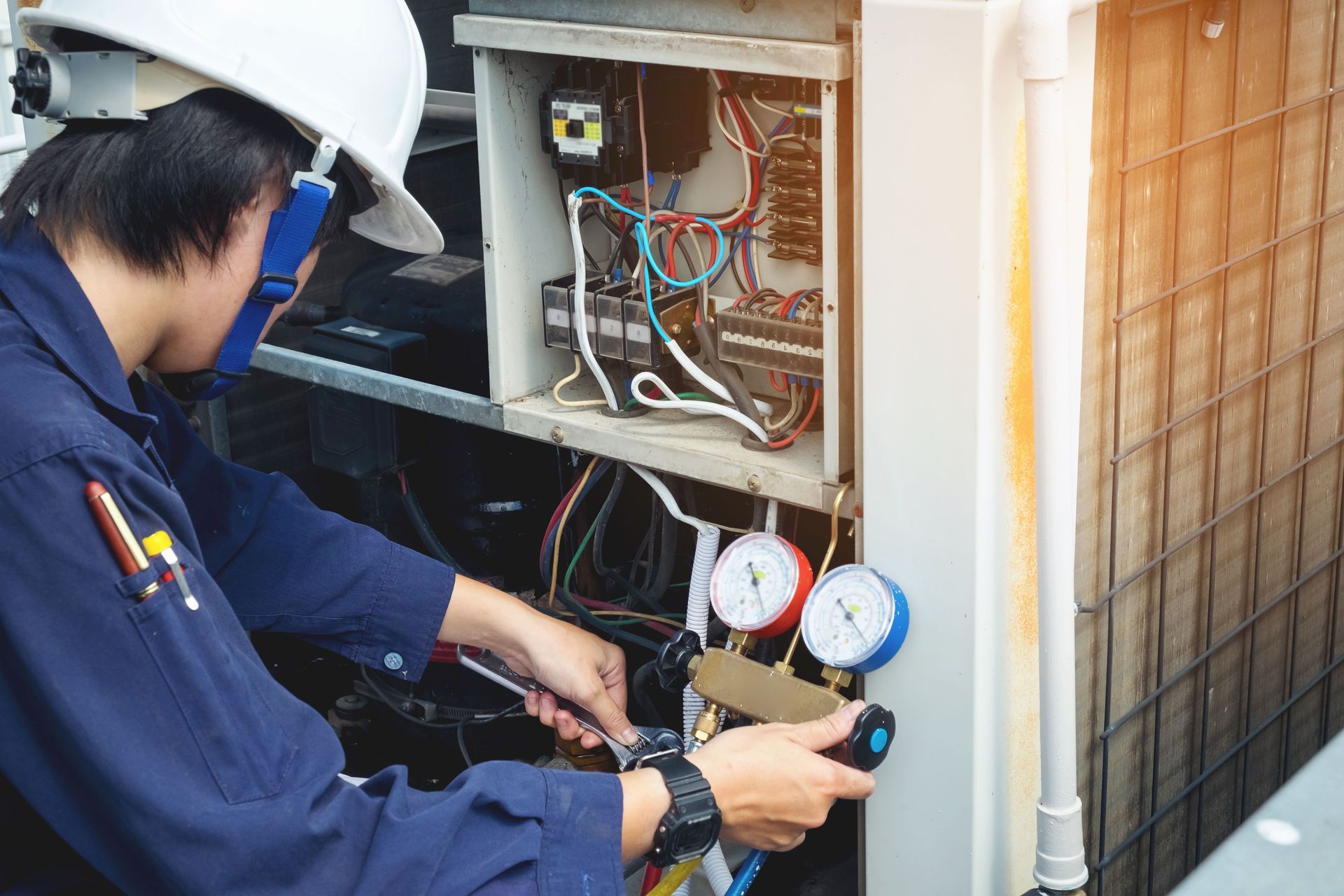
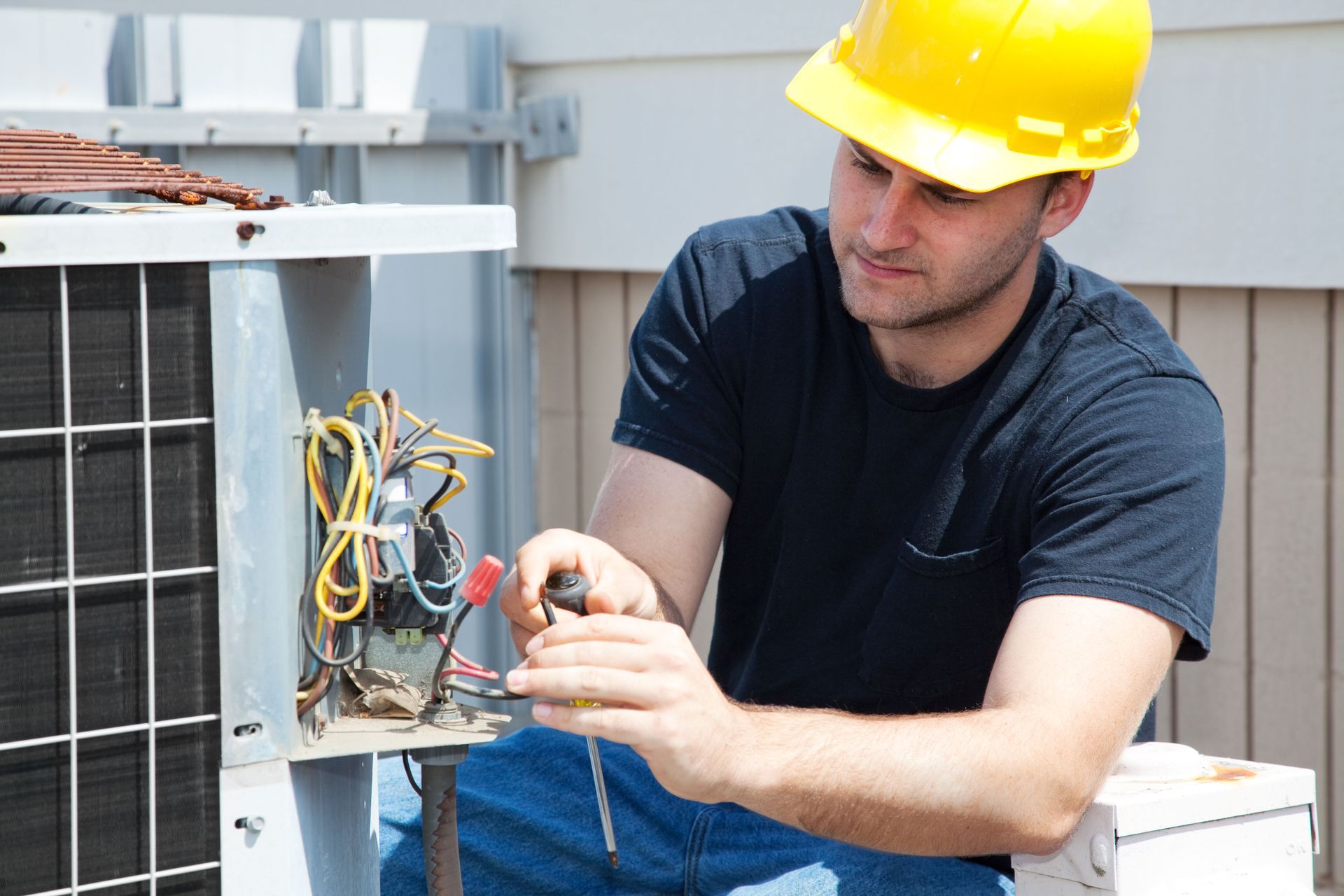
Regular HVAC maintenance can help homeowners identify potential issues affecting indoor air quality and keep heating equipment operating properly. Taking preventive steps before and during winter can also reduce the buildup of unwanted airborne contaminants.
Maintaining Comfortable Indoor Humidity Levels
Humidity plays an important role in indoor comfort and air quality. During winter, cold outdoor air contains less moisture, and heating systems can further reduce the relative humidity inside a home. When indoor air becomes excessively dry, homeowners may experience dry skin, irritated sinuses, scratchy throats, and increased static electricity.
However, maintaining adequate moisture does not mean allowing humidity levels to become too high. Excess moisture can contribute to condensation, mold growth, and damage to building materials. Finding the right balance is essential for maintaining a comfortable indoor environment.
Homeowners can monitor humidity with a hygrometer, which measures the amount of moisture in the air. A relative humidity level between 30% and 50% is generally recommended for most homes, although conditions may vary depending on outdoor temperatures and individual circumstances.
Several practices can help manage indoor humidity during colder weather:
- Monitor humidity levels: Use a hygrometer to identify when indoor air becomes excessively dry or humid.
- Use humidification when needed: A properly maintained humidifier can add moisture when indoor humidity drops too low.
- Control excess moisture: Use exhaust fans while cooking or showering to prevent moisture buildup.
- Address condensation: Check windows and other cold surfaces for persistent moisture that could indicate excessive humidity.
Professional HVAC maintenance can also help homeowners evaluate their heating equipment and determine whether humidity-related concerns may be affecting indoor comfort.
Reducing Dust and Airborne Particles
Dust accumulation is another common indoor air quality concern during winter. With windows closed and reduced natural ventilation, particles can remain inside the home rather than be carried outdoors. Everyday activities, pets, carpeting, upholstered furniture, and household fabrics can all contribute to airborne dust.
Heating systems may also circulate existing particles throughout the home when air moves through the ductwork. If filters are dirty or improperly installed, they may not capture airborne contaminants as effectively as intended.
Homeowners can take several steps to reduce dust and improve the cleanliness of their indoor environment:
- Replace air filters regularly: Follow the manufacturer's recommendations, and check filters more frequently when household conditions produce more dust.
- Vacuum consistently: Use a vacuum equipped with an appropriate filtration system to remove particles from carpets and rugs.
- Clean household surfaces: Dust furniture, shelves, and other frequently used surfaces with microfiber cloths.
- Wash bedding and fabrics: Clean blankets, curtains, and bedding regularly to reduce accumulated dust and allergens.
- Keep return vents clear: Make sure furniture and other household items do not block airflow through return grilles.
Air filters are particularly important because they help capture particles before they circulate through the heating system. However, homeowners should select filters that are compatible with their equipment. Filters with excessively high resistance can restrict airflow and affect system performance. Including filter inspections and replacements in a routine HVAC maintenance schedule can help maintain proper airflow while reducing dust circulating throughout the home.
Improving Ventilation During Colder Weather
Ventilation is essential for maintaining indoor air quality because it helps remove stale air and introduce fresh outdoor air. Unfortunately, homeowners may limit ventilation during winter to prevent heated air from escaping. Although this can reduce energy loss, inadequate ventilation may allow indoor pollutants and excess moisture to build up.
Fortunately, improving ventilation does not always require leaving windows open for extended periods. Homeowners can use several strategies to encourage better air exchange without unnecessarily compromising indoor comfort.
Consider these practical ventilation improvements:
- Run bathroom exhaust fans: Use exhaust fans during and after showers to remove excess moisture.
- Operate kitchen ventilation: Turn on range hoods when cooking to help remove smoke, odors, and airborne particles.
- Open windows briefly when weather permits: Short periods of natural ventilation can help introduce fresh air when outdoor conditions are suitable.
- Keep ventilation openings unobstructed: Make sure air supply and return vents remain clear of furniture, curtains, and other obstacles.
Some homes also have mechanical ventilation systems designed to exchange indoor and outdoor air. These systems can help maintain consistent ventilation while reducing unnecessary energy loss. Homeowners should follow manufacturer recommendations and schedule professional inspections when ventilation equipment requires attention.
HVAC maintenance can help identify airflow restrictions, dirty components, and other issues that may interfere with proper ventilation. Keeping equipment in good condition supports more consistent air circulation throughout the home.
Recognizing Signs of Poor Indoor Air Quality
Indoor air quality problems are not always immediately noticeable. However, certain changes in the home or recurring comfort concerns may indicate that dust, humidity, or ventilation needs attention.
Common warning signs include:
- Persistent musty or stale odors
- Excessive dust collecting on furniture shortly after cleaning
- Frequent window condensation
- Noticeably dry skin, irritated eyes, or scratchy throats
- Uneven airflow or rooms that feel stuffy
- Visible moisture or mold growth around windows and other surfaces
These symptoms do not automatically indicate an HVAC problem, as several environmental and household factors can affect indoor air quality. However, they should not be ignored, especially when multiple concerns appear together.
A professional evaluation can help determine whether the heating system, ventilation equipment, or another household condition is contributing to the problem. Scheduling HVAC maintenance before winter conditions become severe can also help identify developing equipment issues before they affect everyday comfort.
Scheduling Regular Heating System Maintenance
Maintaining good indoor air quality requires more than occasional cleaning. Heating equipment, filters, airflow components, and ventilation systems all play a role in creating a comfortable indoor environment. When these components are neglected, performance issues may contribute to inconsistent temperatures, restricted airflow, and other indoor comfort concerns.
Routine HVAC maintenance gives homeowners the opportunity to have their equipment inspected and serviced according to the manufacturer's recommendations. Depending on the system, maintenance may include checking operational components, inspecting filters, evaluating airflow, and identifying potential performance concerns.
Homeowners should also pay attention to unusual noises, inconsistent heating, and unexpected changes in system operation. These problems may indicate that equipment needs professional attention.
Establishing a consistent maintenance schedule can help reduce the likelihood of unexpected breakdowns while supporting dependable heating performance throughout winter. It also gives homeowners an opportunity to discuss indoor air quality concerns and determine whether additional improvements are appropriate for their property.
Keeping Indoor Air Fresh and Comfortable All Winter
Indoor air quality in winter depends on maintaining the right balance of humidity, cleanliness, and ventilation. Although closed windows and increased heating use can create challenges, homeowners can reduce airborne dust, control excess moisture, and improve fresh air circulation with consistent attention. Monitoring indoor conditions and addressing potential problems early can make the home more comfortable throughout the colder months.
Regular HVAC maintenance is another important part of this process because properly maintained equipment supports reliable heating and airflow. Contact Crome Mechanical Heating & Cooling to schedule professional HVAC maintenance and help keep your home's indoor air fresh, comfortable, and healthy throughout the winter season.