By Todd Hurst
March 19, 2026
Energy expenses are a major concern for businesses, and commercial HVAC systems are often significant contributors. These systems maintain indoor comfort but can dramatically influence utility costs. Many owners underestimate their impact. Understanding how HVAC systems consume energy and identifying strategies to improve efficiency can save substantial amounts annually. This article explores these dynamics and highlights practical steps to optimize commercial HVAC performance, ensuring that businesses operate both cost-effectively and sustainably.
Understanding HVAC Energy Consumption
Components and Their Roles
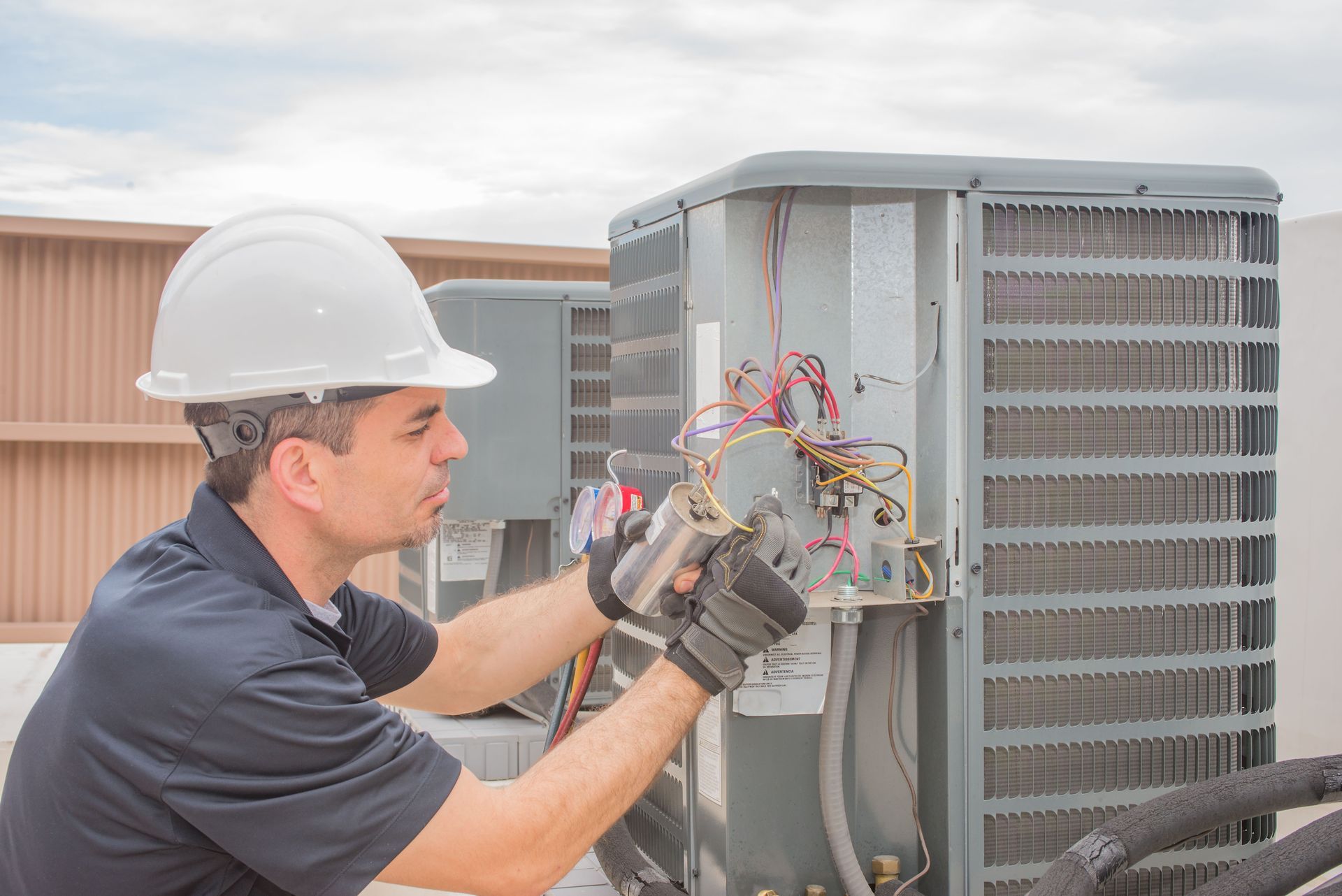
Commercial HVAC systems include furnaces, air conditioners, heat pumps, ductwork, and thermostats. Each component contributes to energy consumption. Air conditioners typically consume the most energy during summer, while heating systems peak in winter. Understanding how these parts interact helps building managers control energy usage more effectively. Consulting with experienced commercial HVAC companies ensures that all components function efficiently, minimizing waste and prolonging system lifespan.
Energy Load and Peak Demand
Energy costs fluctuate based on peak demand, often during extreme weather. Maintaining comfort during these periods drives higher consumption and bills. Planning and energy management strategies can minimize these costs. Commercial HVAC companies often advise on peak demand reduction techniques to help businesses save on utility expenses. Monitoring energy use through automated systems allows for timely adjustments that prevent unnecessary spikes in consumption.
System Sizing and Efficiency
Oversized HVAC units cycle frequently, wasting energy. Undersized systems run continuously, raising costs. Properly sized systems reduce energy waste and improve comfort. Commercial HVAC companies can assess building requirements to recommend the correct system size, maximizing efficiency and reducing operational expenses. Proper sizing also reduces wear on equipment, preventing premature failures that could lead to costly downtime.
Building Design and Seasonal Impacts
Factors like insulation, window placement, and orientation affect HVAC efficiency. Buildings with poor insulation require more energy for heating and cooling. Seasonal changes also influence consumption; summer cooling and winter heating demands can spike energy use. Adjusting thermostat settings and maintaining systems can mitigate these fluctuations. Implementing shading strategies, upgrading windows, and adding insulation can further optimize performance and reduce energy bills over the long term.
Efficiency Ratings and Their Importance
SEER, EER, and HSPF Ratings
Efficiency ratings such as SEER, EER, and HSPF measure HVAC performance. Higher ratings indicate better energy use. Understanding these metrics helps businesses choose units that lower long-term costs. Commercial HVAC companies often guide clients in selecting energy-efficient equipment suited to building needs, ensuring maximum performance without overspending.
Energy Star and High-Efficiency Models
Energy Star certification ensures systems meet strict efficiency criteria. Upgrading to high-efficiency HVAC units reduces energy consumption and operating costs. According to SkillCat, commercial HVAC equipment is generally serviced every 3 to 6 months, whereas residential systems receive maintenance annually. Frequent servicing combined with efficient units maximizes performance, reduces unexpected breakdowns, and extends equipment lifespan, resulting in both energy and financial savings.
Misconceptions About Efficiency
High ratings do not guarantee the lowest bills alone. Installation, maintenance, and operation patterns also impact costs. Commercial HVAC companies emphasize proper use and maintenance to ensure energy savings are realized. Educating staff on best practices can also reduce energy waste, such as avoiding unnecessary temperature adjustments or blocking vents.
Long-Term Savings vs Upfront Costs
Investing in efficient systems may involve higher initial costs, but life-cycle savings through reduced energy and maintenance expenses justify the investment. Considering long-term financial impacts is essential for sustainable budgeting and operational planning. Businesses that plan ahead by partnering with reputable commercial HVAC companies often see returns on their investment within a few years.
Maintenance and Operational Practices
Regular Maintenance
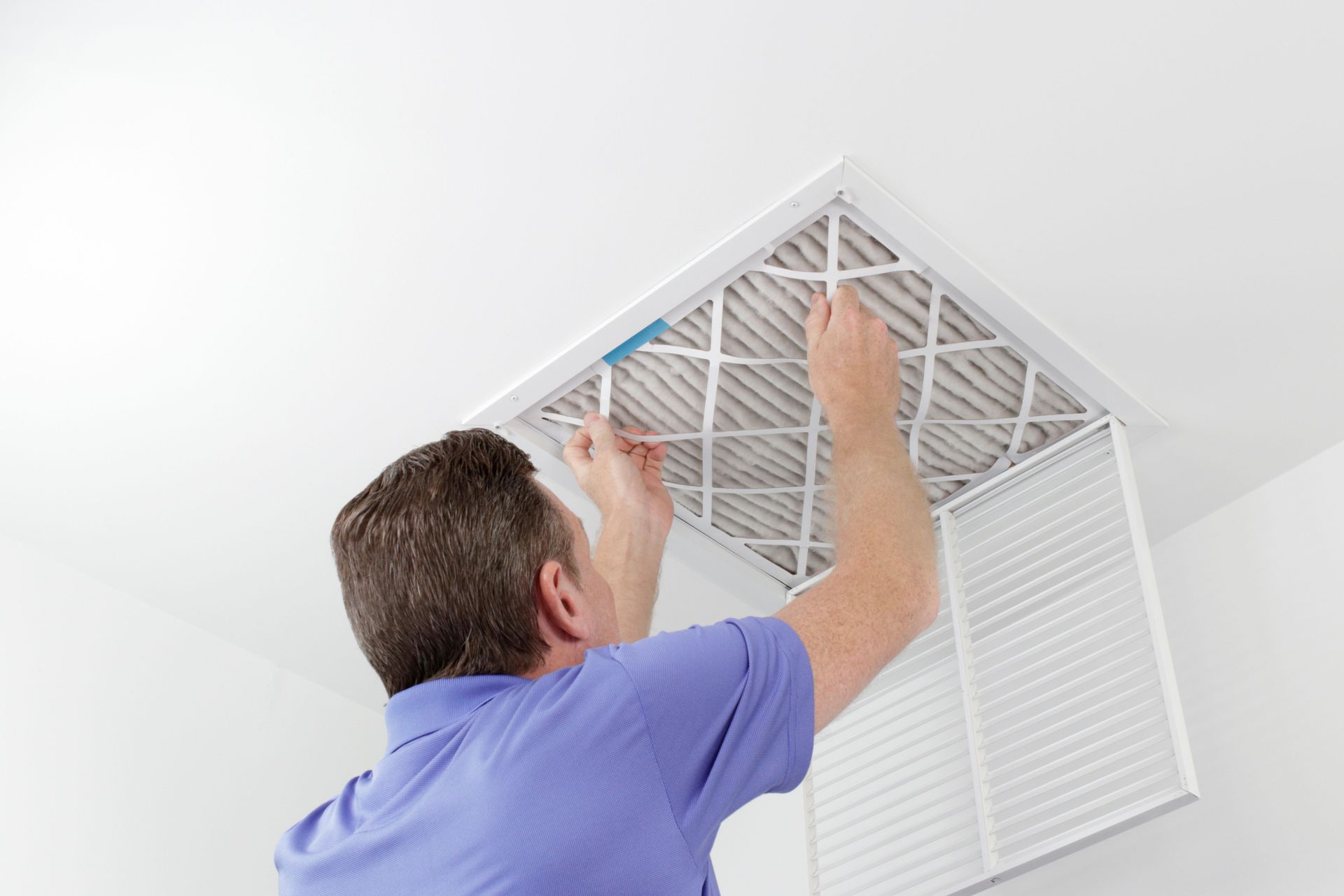
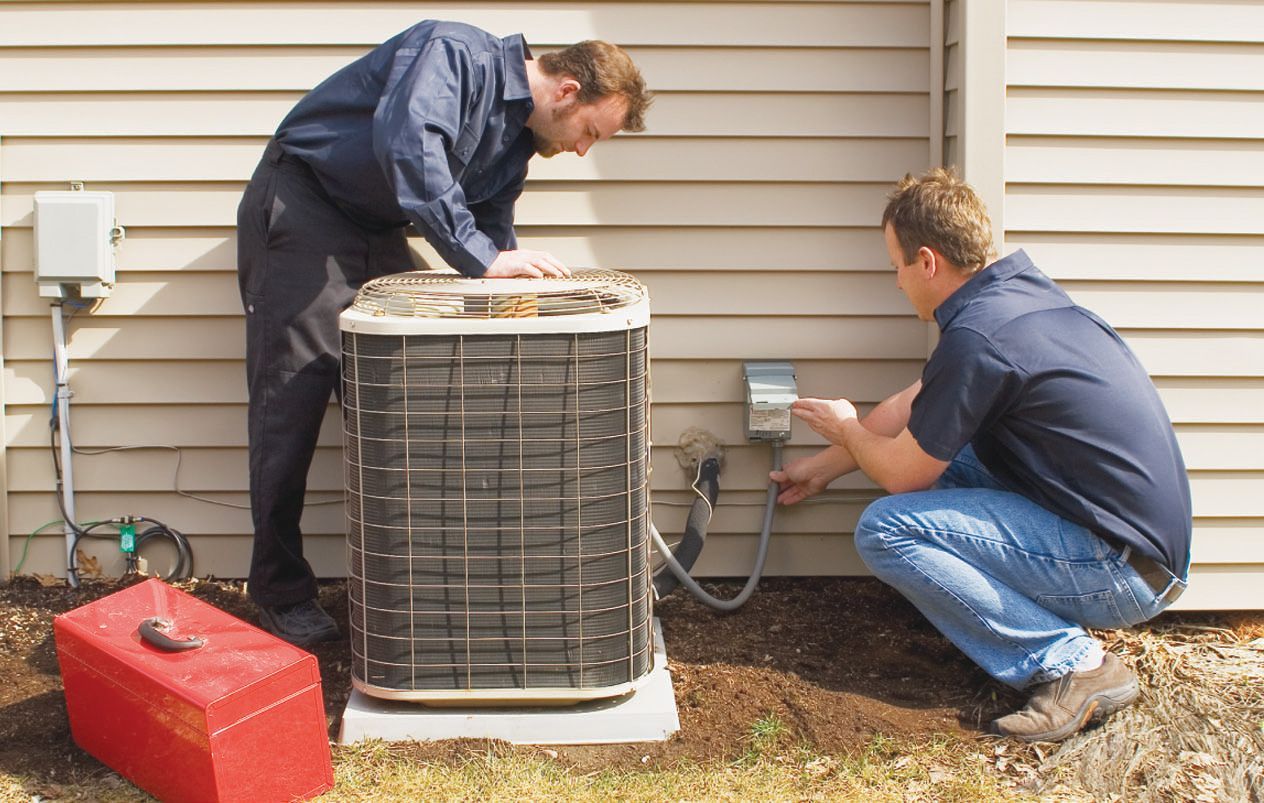
Scheduled maintenance ensures HVAC systems run efficiently and reduces energy waste. Commercial HVAC companies provide routine inspections, filter replacements, and system cleaning. These practices prevent minor issues from escalating and extend equipment lifespan. Preventive maintenance also contributes to safer operations, minimizing risks associated with overheating, refrigerant leaks, or electrical faults.
Thermostat Programming and Automation
Optimal thermostat settings reduce energy use without compromising comfort. Automated systems adjust temperatures based on occupancy, enhancing efficiency. Educating building occupants and implementing smart controls further improve performance and lower costs. Energy management systems that integrate with HVAC controls allow real-time monitoring, which can identify anomalies or inefficiencies before they escalate into bigger problems.
Proactive Care
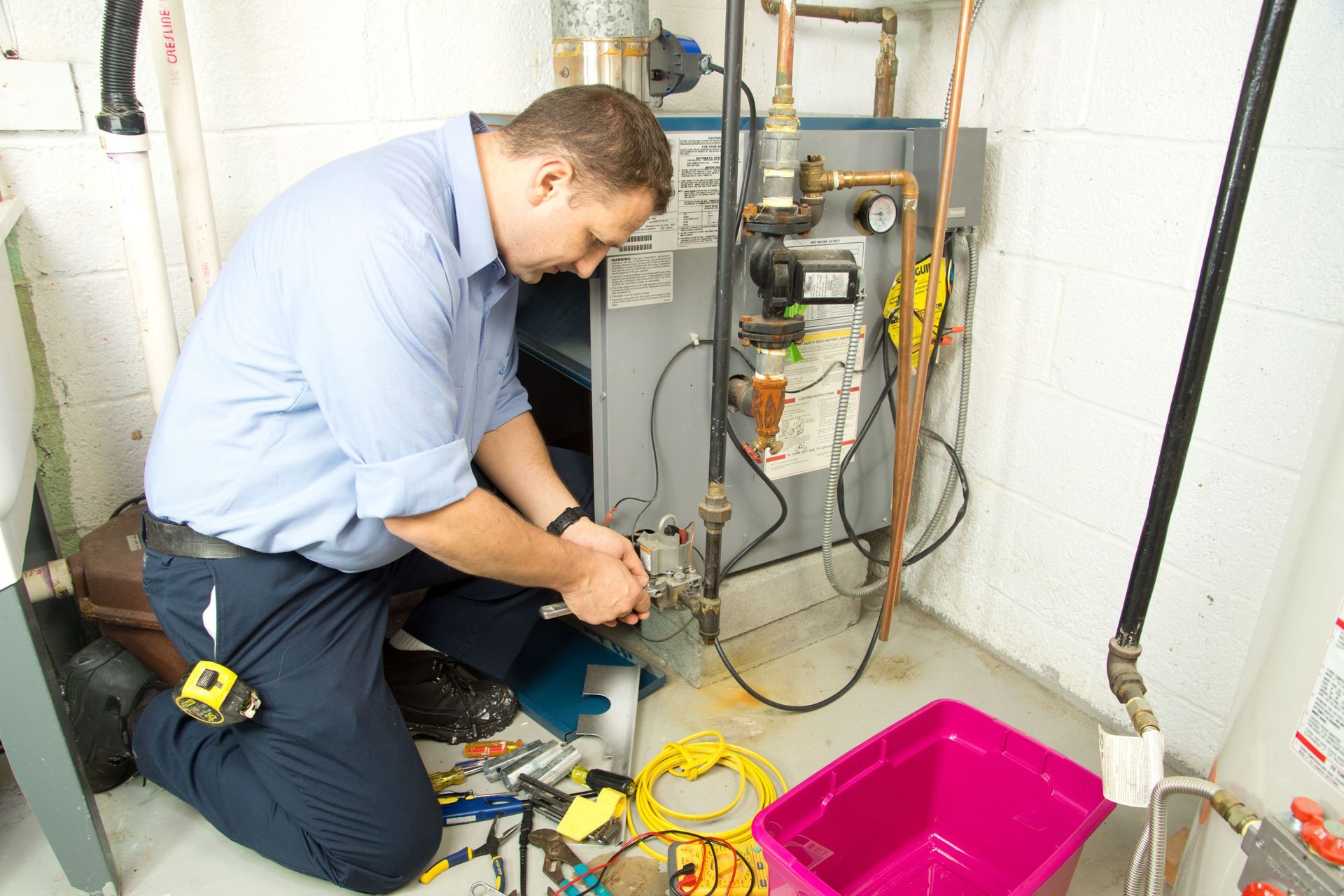
Early detection of potential issues prevents downtime and costly repairs. Commercial HVAC companies often provide preventive maintenance programs, which help maintain system reliability and consistent energy performance. Proactive care includes inspecting ductwork, verifying airflow, and checking mechanical components to ensure smooth operation. This approach reduces emergency repair costs and extends the life of HVAC equipment.
Common Inefficiencies and Solutions
Air Leaks and Insulation
Leaky ducts and poor insulation lead to unnecessary energy consumption. Detecting leaks and improving insulation reduces HVAC workload. Professional commercial HVAC companies can identify weak points and recommend corrective measures. Addressing these issues ensures that conditioned air reaches intended spaces efficiently, improving both comfort and cost-effectiveness.
Air Distribution and Unit Sizing
Uneven airflow or incorrectly sized units increase runtime and costs. Balancing air distribution and selecting the right system size ensures efficient operation, comfortable environments, and energy savings. Commercial HVAC companies may also implement zoning strategies to target HVAC output where it is most needed, avoiding energy waste in unoccupied areas.
System Upgrades and Retrofitting
Retrofitting older HVAC units with modern technology can significantly reduce energy usage. Variable-speed components, advanced controls, and energy-efficient heat exchangers improve performance while lowering operational costs. These upgrades often enhance system reliability and support sustainability goals, making them an attractive option for businesses seeking both financial and environmental benefits.
Case Studies in Energy Management
Retail and Office Buildings
Energy audits often reveal excessive consumption due to inefficient HVAC systems. Adjustments such as thermostat optimization, regular maintenance, and equipment upgrades result in measurable savings. Office buildings with centralized systems benefit from adaptive controls and strategic maintenance guided by commercial HVAC companies. Staff training and monitoring help ensure these changes are sustained over time.
Warehouses and Hospitality
Large open spaces in warehouses require careful climate management. Strategies like zoning and destratification fans reduce energy use. Hotels and restaurants leverage smart thermostats and scheduled maintenance to balance guest comfort with operational efficiency, often under the guidance of commercial HVAC companies. Seasonal adjustments and predictive maintenance schedules further enhance energy efficiency.
Educational Institutions
Schools and universities are implementing sustainability initiatives through energy-efficient HVAC upgrades. Smart controls, geothermal systems, and scheduled maintenance contribute to energy savings and operational efficiency. Commercial HVAC companies assist these institutions in achieving sustainability targets while ensuring student and staff comfort. These measures also support environmental education initiatives and compliance with energy regulations.
Future Innovations and Cost Minimization
Energy-efficient Technologies
Advancements such as variable refrigerant flow (VRF) systems and smart sensors optimize energy consumption. Commercial HVAC companies increasingly recommend these technologies to reduce energy use and operating costs. Automated diagnostics and remote monitoring further enhance performance and reduce the need for frequent on-site inspections.
Commercial HVAC systems significantly influence energy bills, but understanding their operation, investing in efficient technologies, and following proactive maintenance practices can mitigate costs. Partnering with professional commercial HVAC companies ensures proper system sizing, maintenance, and upgrades. Businesses that embrace innovation, smart automation, and sustainability not only reduce expenses but also improve comfort, reliability, and environmental responsibility. Strategic management of HVAC systems is key to long-term operational efficiency, financial savings, and sustainability success. For more information, contact Crome Mechanical Heating & Cooling today.